

Crafting the Perfect Interior Materials, Colors, and Layouts That Work
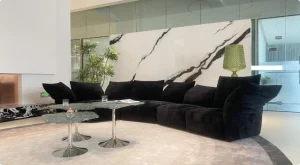
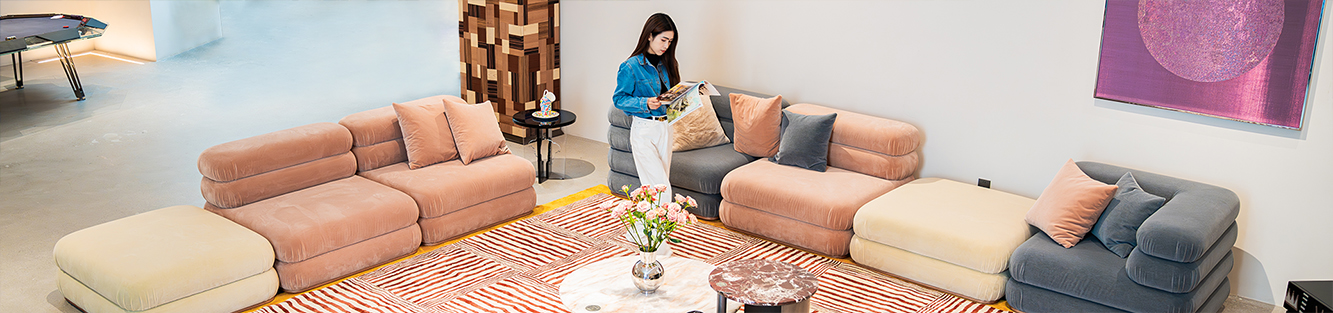
Creating a space that feels just right takes more than picking out a few pieces. It involves thoughtful choices in interior design materials, home color schemes, and room layout ideas. Many homeowners start with a vision but get stuck on details like how materials hold up over time or how colors shift under different lights. This guide breaks it down step by step. For real-world examples, check out VN Global Furniture and browse their products to see these elements in action.
The Role of Materials in Building Lasting Interiors
Materials of furniture set the foundation for any space. They affect everything from daily wear to the overall feel. Picking the right ones means balancing looks with practicality. Homeowners often overlook how durable interior materials stand up to kids, pets, or high traffic.
Think about a busy family room. Solid choices here prevent quick wear and keep things looking fresh.
Wood Options for Warmth and Strength
Wood brings natural appeal. Hardwoods like oak or walnut resist scratches and dents better than softer types. In kitchens, where spills happen, treated woods with seals hold up.
A table might show:
|
Material Type |
Pros |
Cons |
Best For |
|
Oak |
Strong, grain patterns add character |
Can darken over time |
Living rooms, dining areas |
|
Walnut |
Rich tones, smooth finish |
Higher cost |
Bedrooms, accents |
|
Pine |
Affordable, light weight |
Dents easily |
Casual spaces, painted finishes |
Such selections make spaces inviting. Moving from woods, consider how metals add edge.
Metals for Sleek and Sturdy Accents
Metals shine in contemporary setups. Stainless steel handles moisture well, ideal for bathrooms. Brass offers a warm glow but needs polishing to avoid tarnish.
In open-plan homes, metal frames on shelves create clean lines. Pair them with softer elements to avoid a cold vibe. This leads into fabrics, which soften the hard edges.
Fabrics and Textiles for Comfort Layers
Fabrics add texture. Cotton blends clean easily in high-use areas. Leather ages gracefully but suits drier climates.
Bullet points help here:
- Choose performance fabrics for sofas in homes with children—they repel stains.
- Wool rugs provide insulation in cooler rooms.
- Linen curtains filter light softly, enhancing natural flow.
These key interior materials tie into colors, where the real mood sets in.
Picking Colors That Bring Spaces to Life
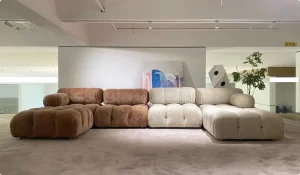
Colors influence how a room feels. They can make small areas seem bigger or cozy up large ones. Many skip testing swatches in actual light, leading to surprises. Choosing interior colors starts with understanding undertones.
A neutral base works wonders. Then layer in accents.
Neutral Palettes for Timeless Bases
Neutrals like beige or gray ground a room. In sunlit spaces, warm beiges prevent starkness. Cooler grays suit north-facing rooms with less light.
For example, a living area with gray furniture feels calm. Add pops of color through pillows.
Bold Accents to Add Personality
Bold hues energize. Deep blues in bedrooms promote rest, backed by studies showing cooler tones lower heart rates. Reds in dining spots stimulate appetite.
Here’s a simple guide:
|
Color Family |
Effect |
Ideal Rooms |
|
Blues |
Calming |
Bedrooms, offices |
|
Greens |
Refreshing |
Kitchens, baths |
|
Yellows |
Uplifting |
Entryways, studies |
Furniture color palettes evolve with trends, but classics endure. This flows into harmonious color combinations, where balance prevents overwhelm.
Layering Colors for Depth
Layering means using shades in gradients. A wall in soft green with darker table creates rhythm. In apartments, this tricks the eye into seeing more space.
Test samples at different times—morning light warms tones, evening cools them. With colors set, layouts pull it all together.
Smart Layouts for Better Flow and Function
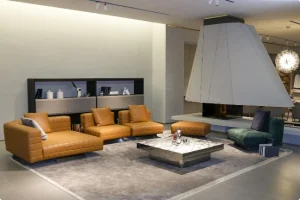
Layouts determine how people move and interact. Poor ones cause clutter; good ones enhance daily life. Home layout ideas often start with measuring traffic paths.
In compact homes, multifunctional zones save room. Open concepts work in lofts but need definition.
Open-Plan Layouts for Social Spaces
Open plans connect kitchens to living areas. Islands act as dividers without walls. This suits families who cook and chat together.
Furniture placement matters. Sofas facing each other encourage talk, while corner setups free up walkways.
Zoned Areas in Compact Homes
For smaller spots, zoning uses rugs or screens. A bedroom might double as an office with foldable desks.
Consider these tips:
- Measure door swings to avoid blocks.
- Place heavy pieces against walls for stability.
- Use mirrors to expand visual space.
Space-saving layouts shine in urban dwellings, where every inch counts. Perfect home layout adapts to habits—like placing reading chairs near windows.
Custom Touches for Personal Flow
Custom layouts fit unique needs. In homes with elders, wider paths reduce trips. Kids’ areas benefit from rounded edges.
Industry pros note that 70% of redesigns focus on flow improvements, cutting frustration. Blending materials, colors, and layouts creates harmony.
Meet VN CASA Foshan Furniture: Your Go-To Supplier
Based in Foshan, the hub of furniture production, VN CASA stands out as a reliable supplier. With a team over 200 strong and partnerships with top factories, they offer direct access to quality pieces at source prices. Their services cover everything from design pairings to delivery and after-sales handling. Styles range across minimalist, light luxury, Chinese, American, and modern—ensuring matches for diverse tastes. Fans appreciate the one-stop approach, from space planning to quality checks with photos and videos before shipment. For tailored solutions, explore their services and case studies.
Conclusion
Pulling together furniture materials, colors, and layouts transforms houses into homes. Start small—pick one room, test ideas. Over time, these choices build a space that reflects daily life while standing strong. Results show in comfort and compliments. Ready to dive in? Small changes yield big shifts.
FAQs
How do I achieve a perfect interior on a budget?
Focus on versatile interior design materials like affordable woods and neutrals. Reuse existing items with fresh home color schemes. Simple room layout ideas, such as rearranging furniture, boost flow without big spends.
What are the best colors for small spaces to achieve a perfect interior?
Light tones in interior color palettes make areas feel larger. Soft grays or pastels reflect light. Avoid using dark colors for all your furniture; it’s recommended to balance the overall visual effect with accessories.
How can layouts help in achieving a perfect interior for families?
Space-saving layouts with open zones keep things organized. Wide paths and multifunctional furniture handle daily chaos. Test arrangements to fit routines.
Which materials last longest for a perfect interior? Durable interior materials
like hardwoods and treated metals endure. In high-traffic spots, they cut replacement needs. Quality checks ensure longevity.


