

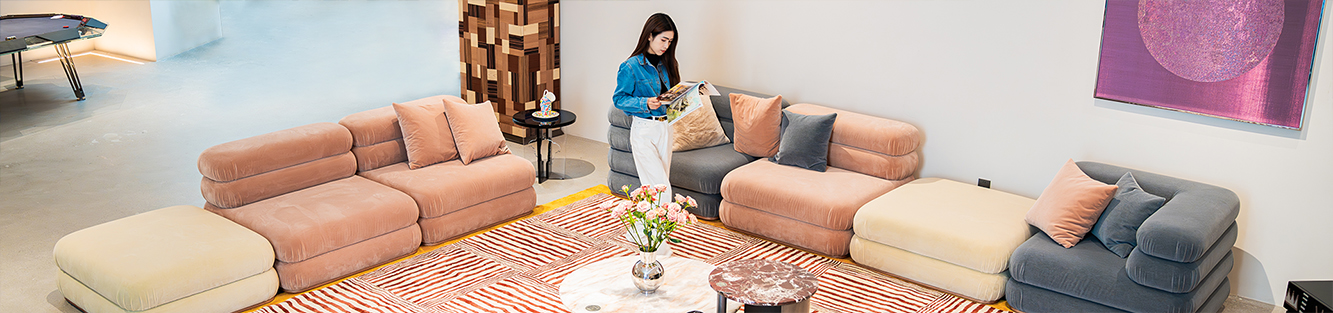
Votre guide pour la personnalisation de meubles de maison entière
Imaginez entrer dans un endroit qui vous convient parfaitement. Chaque siège, place de repos et place de repos correspond bien à votre routine. Pas d'écarts impars ou d'éléments en conflit. Cela résume le charme de personnalisation de meubles de maison entièreÇa va au-delà de saisir des trucs des étagères. Vous façonnez vos taches pour s'adapter à vos habitudes, vos goûts et vos désirs.
Ce manuel couvre tout. Nous’ Regardez les bases, les plans étape par étape et les idées pour aider votre spot à se démarquer. Si vous’ Pour commencer de nouvelles zones ou réparer, la personnalisation crée une zone qui soulève votre facilité et votre look. Considérez comment un arrangement réfléchi peut transformer une maison en votre propre endroit. Prêt à sauter ? Laissez’ S commence.
Qu'est-ce que la personnalisation de meubles de maison entière?
La personnalisation de meubles de maison entière implique la mise en forme et l'artisanat d'objets pour toutes les parties de votre maison. Il’ des choses faites sur commande, pas des marchandises de ligne d'usine. Vous choisissez les longueurs, les trucs utilisés et les apparences pour convenir exactement à votre configuration.
Pourquoi choisir la personnalisation plutôt que les options prêtes à l'emploi?
Les articles achetés en magasin arrivent rapidement, mais ils manquent souvent la marque. Un canapé habituel peut remplir trop votre coin salon ou ne pas aller avec vos murs. La personnalisation résout cela. Vous recevez des objets qui correspondent à votre zone comme ils y ont grandi.
Il permet également de mélanger l'utilisation avec le style. Vous voulez un stand de repas qui peut accueillir huit personnes mais se rétrécit pour tous les jours? Le fait sur commande le rend réel. De plus, il peut réduire les coûts au fil du temps en sautant les swaps. Les gens qui choisissent la personnalité remarquent souvent que leurs taches se sentent plus personnelles - un ascenseur à la vie quotidienne et même une valeur de revente.
Éléments clés impliqués dans le processus
La personnalisation commence avec votre idéeDessinez des zones, marquez les chemins que les gens marchent et notez les besoins comme des endroits à stocker ou des sièges doux.
Les objets utilisés comptent aussi beaucoup. Le bois ajoute du confort; Les tissus apportent douceur. Choisissez des endroits difficiles pour des endroits fréquentés comme des endroits de cuisson. Les apparences varient des formes courantes propres aux sensations chaudes de l'ancien temps. Mélangez-les pour une touche spéciale.
Souvenez-vous des tailles. Un bon conseil: vérifier deux fois, faire une fois. Les mauvaises mesures causent des problèmes. Aides comme les dessins au sol aident à voir avant de commencer.
Avantages de personnaliser toute votre maison
Les articles personnalisés sont’ c'est juste sympa - ils ont du sens. Ils résolvent les problèmes réels et ajoutent de la valeur.
Touche personnelle et construction de marque
Votre spot montre qui vous êtes. Des pièces sur commande vous permettent d'ajouter vos histoires. Peut-être qu'un cadre de repos rappelle vos voyages, ou un stand suggère des façons de parenté. Cela construit votre propre marque - votre zone dit aux invités de vous sans parler.
Pour les lieux de travail, il’ les mêmes. Un bureau sur mesure peut renforcer l’image du groupe. Les lignes droites montrent un travail rapide; bois doux suggèrent la convivialité. Il’ Il est calme, mais il dure.
Économies à long terme et durabilité
Les premiers coûts peuvent faire mal, mais regardez à l'avenir. Les marchandises en douane durent plus depuis qu'elles’ fait à vos façons. Pas de liens faibles ou d'intérieurs bon marché. Les bonnes choses tiennent fort, abaissant les factures de réparation.
Une meilleure utilisation de l'électricité s'y trouve aussi. Le stockage sur mesure réduit le désordre, rendant les zones plus grandes et plus simples à ranger. Au fil des années, cela s’accroît. Un parent dont j'ai entendu parler a été sauvé sur les postes en ayant des objets qui correspondent à chaque endroit frais juste.
Avantages pour la santé et le confort
La facilité est’ t extra—il’ S clé. Les sièges personnalisés vous appuient bien. Les hauteurs variables arrêtent les douleurs. Les tissus respirants maintiennent les choses fraîches.
Pour les familles, cela change les choses. Les bords à l'abri des enfants sautent les coups. Ceux qui ont des éternuements choisissent des choses sûres. Il’ Il s'agit de vivre bien, pas seulement d'apparaître bien.
- Meilleur déplacement quotidien: les taches d'objet facilitent la marche.
- Repos et tâches plus agréables : Repos et lieux de travail adaptés à vous.
- Pics verts: bois durable couper les ordures.
Étapes pour commencer votre parcours de personnalisation
Le départ semble grand, mais divisez-le. Ici’ S le chemin.
Évaluer votre maison et vos besoins
Recherchez autour. Qu'est-ce qui convient ? Qu'est-ce qui te dérange ? Parents de Tally, animaux de compagnie, visiteurs. Notez les tailles de la zone et la luminosité.
Jot une liste: place assise pour se détendre, espace de repos pour dormir. Planifiez l'argent ensuite - fixez des plafonds tôt. Des outils ou des esquisses de base l'établissent.
Trouver les bons fournisseurs et concepteurs
Cherchez les gens qui vous entendent. Regardez les pensées des autres, les œuvres passées. Les bons demandent sur vos jours, pas seulement vendre.
Allez sur les spots d'affichage si vous le pouvez. Sentez des choses. Les aides Web montrent des vues prétendues. Formez un groupe : planificateur pour les pensées, créateur pour les compétences.
Planifier la phase de conception
Dessiner des notions. Blend nuances, ressent. Utilisez des tableaux d'idées - collez des photos de looks que vous aimez.
Temps de conversation. La commande prend des semaines ou des mois. Ajoutez de la place pour les postes. Approuvez les plans avant de construire.
|
Phase |
Actions clés |
Estimation du calendrier |
|
Première conversation |
Partager des mises en page, des pensées |
1-2 semaines |
|
Esquisse des plans |
Vérifiez les dessins |
2-4 semaines |
|
Choisir des choses |
Choisissez des bois, des tissus |
1 semaine |
|
Faire et vérifier |
Voir les progrès |
4-8 semaines |
Ce tableau maintient les choses sur le chemin.
Choix des matériaux et des styles pour chaque pièce
Les zones diffèrent, donc les picks le font aussi.
Essentials du salon
Visez les lieux de rencontre. Les canapés avec des intérieurs doux accueillent les discussions. Se tient à de bonnes hauteurs pour les morsures.
Appearance: Choisissez simple pour la paix, ou fort pour l'étincelle.
Espaces repas et cuisine
La force mène ici. Rock tops lutter contre les déversements. Sièges avec des chiffons simples et propres.
Des bancs sur commande économisent de l'espace dans des endroits confortables. Ajoutez des caches sous les stands pour les extras.
Chambre et espaces de repos
Calme-toi d'abord. Se repose avec une tenue solide, des tops doux. Side est à portée de main.
L'apparence paisible aide à dormir. Les draps aérieux gardent les nuits fraîches.
Défis communs dans la personnalisation des meubles
Les problèmes apparaissent. Ici’ S les gérer.
Les dépassements budgétaires et comment les éviter
Les coûts augmentent avec les postes. Attenez-vous aux plans. Obtenez d'abord les prix des additions.
Achetez des produits intelligents - correspondez aux coûts des produits. Définissez des choix de guides d'argent.
Temps de retard
Les retards proviennent des accrochages d'approvisionnement ou des ajustements. Ajoutez du temps supplémentaire. Vérifie chaque semaine les problèmes de localisation bientôt.
Choisissez des créateurs fiables avec des victoires passées.
Assurer la qualité et la satisfaction
Vérifiez les échantillons. Demandez des promesses. Essayez des morceaux si vous le pouvez.
Talk-back pendant les problèmes de captures. La dernière marche la scelle.
Conseils pour un projet de personnalisation réussi
Reste là, parle clairement.
Mélangez de nouveaux looks avec des excuses durables.
Pensez à la terre: les choses vertes durent et se sentent bien.
Introduction de VN CASA Foshan Furniture en tant que fournisseur de meubles
Pour faire des pensées réelles, VN CASA Foshan meubles brillantsSitué à Foshan, un centre de bonne fabrication, ils vous relient directement aux fabricants. Aucun intermédiaire signifie des prix et des choix plus agréables. Leur groupe s'occupe de tout, des plans de zone au dépôt. Avec une grande foule et des années d'aide aux endroits du monde entier, ils visent votre look et vos désirs. Il’ s simple : partagez vos mises en page, obtenez des choix adaptés et restez tranquilles avec des contrôles et de l'aide.
Conclusion
La personnalisation des meubles de maison entière transforme les zones en vos propres cacheaux. Il mélange utilisation, apparence et facilité pour un plaisir durable. Faites un bon plan, choisissez intelligentement et voyez votre spot briller. Si pour les liens de parenté ou la paix seule, il’ S valeur.
Questions fréquentes
Qu’est-ce que la personnalisation de meubles et pourquoi devrais-je l’envisager pour toute ma maison?
Personnalisation des meubles signifie faire des pièces pour s'adapter à votre place et aime juste juste. Pour un logement complet, il fait correspondre toutes les zones. Vous sautez les crises habituelles, obtenant facilité et regarder qui convient à vos jours. Il’ s grand si les choses de magasin ne’ T travail.
Comment démarrer le processus manuel complet pour la personnalisation des meubles?
Commencez par votre aménagement de logement. Jot veut, de l'argent et des pensées. Trouvez un fournisseur qui vous mène. Suivez des parties comme des plans de croquis et des choix de trucs. Le manuel complet vous permet de régler du début à la fin.
Quels sont les coûts impliqués dans la personnalisation de meubles de maison entière?
Les coûts changent en fonction des choses et de la difficulté. Recherchez 30-50% de moins que le stockage par des sources directes. Ajoutez des frais de plan, mais beaucoup les utilisent contre les achats. Obtenez les prix bientôt pour garder le chemin.
La personnalisation des meubles peut-elle fonctionner pour les petits espaces?
Bien sûr, c’ s bien pour les spots confortables. Tailles faites utiliser la pièce max sans perte. Pensez à des taches construites ou des pièces à plusieurs utilisations. Cela fait que les petites maisons semblent plus grandes et plus pratiques.
Combien de temps prend le processus de personnalisation des meubles ?
Souvent 8-12 semaines, selon la taille. La planification prend quelques semaines, faire plus. Il existe des moyens rapides, mais le bien vient d'abord. Planifiez tôt pour des fins faciles.


