

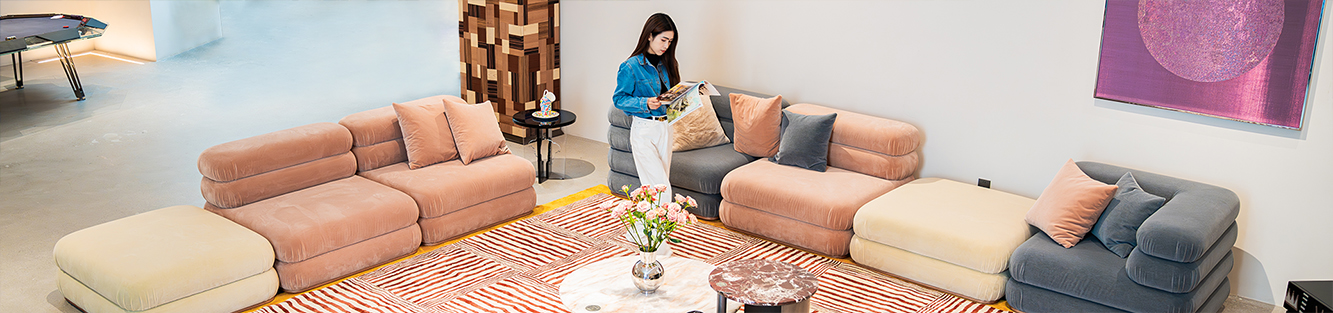
From Nordic to Japandi: Diverse Styles in Global Furniture
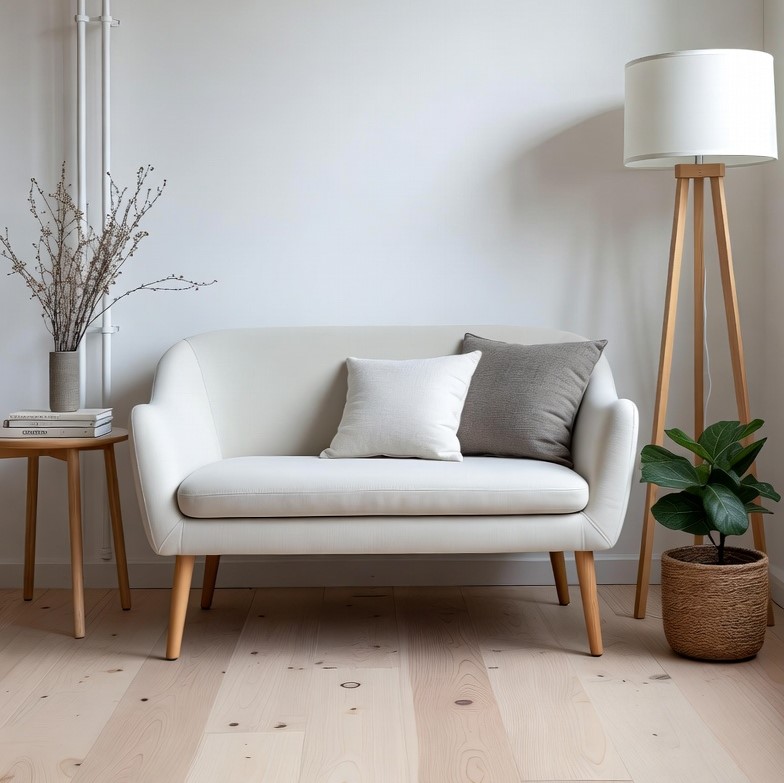
Furniture shapes how people live every day. Around the world, styles evolve to fit cultures, climates, and daily needs. This post dives into Nordic furniture roots and how it blends into Japandi style, while touching on other global furniture trends. Check out VN Global Furniture for pieces that capture these looks straight from factories.
Roots of Nordic Furniture
Nordic design started in Scandinavia during the early 20th century. It grew from long winters and a focus on practical living. Homes needed warmth without clutter. Think clean lines and light woods that brighten dim rooms.
This style spread globally because it works in small apartments or big houses. Families in urban areas often pick Nordic style furniture for its simple setup. A typical living room might feature a low sofa in pale oak, paired with wool throws for coziness.
Key Features in Nordic Design
Natural materials stand out here. Birch and pine dominate, often left unfinished to show grain patterns. Colors stay neutral—whites, grays, and soft blues—to reflect light.
Function comes first. Chairs curve for comfort during long evenings. Storage hides away items neatly. In kitchens, open shelves hold everyday dishes, making spaces feel open.
People turn to Nordic home decor when they want calm. Data from design surveys show 40% of homeowners prefer this for its low-maintenance vibe. It fits busy lives without extra fuss.
Nordic influence shows in how pieces mix with other elements. A wooden table might pair with metal lamps for contrast. This flexibility leads into newer blends.
Transition to Fusion Styles
Blends happen when cultures meet through travel and trade. Nordic’s simplicity pairs well with Eastern minimalism. Such mixes create fresh spaces that feel both familiar and new.
This shift highlights fusion interior styles where old meets modern. Homes now pull from multiple regions for unique setups.
Emergence of Japandi Style
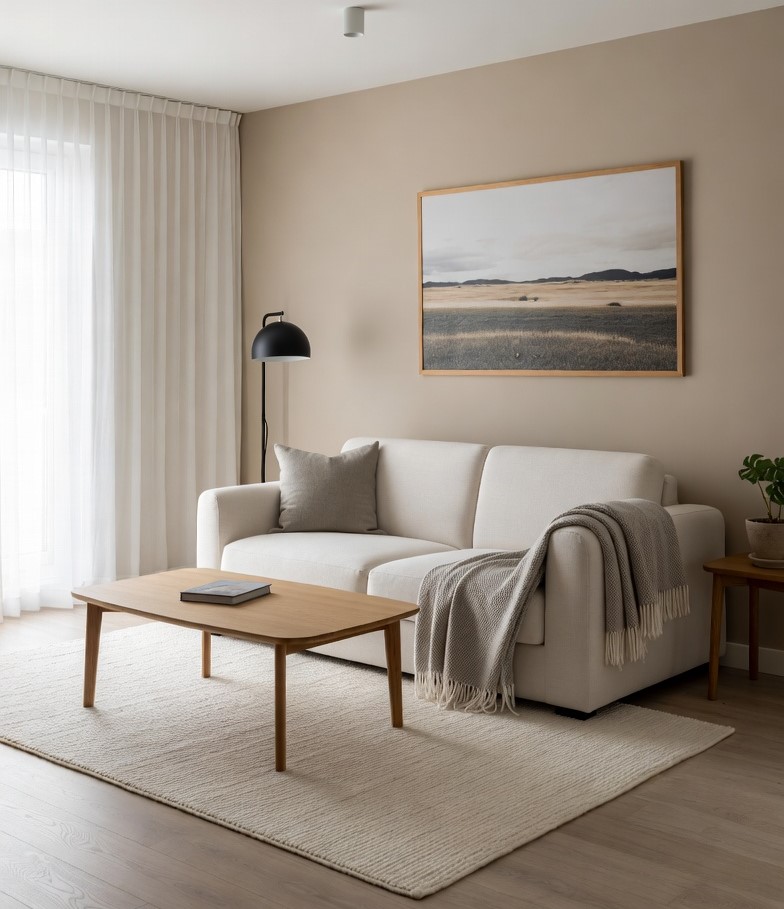
Japandi combines Japanese wabi-sabi with Nordic hygge. It appeared in the 2010s as designers sought balance in fast-paced worlds. The name itself merges “Japan” and “Scandi.”
Rooms in this style feel serene. Empty spaces allow breathing room. Furniture stays low to the ground, echoing traditional tatami mats.
Interest in Japandi interior design spikes in searches, with monthly volumes hitting thousands. It appeals to those wanting mindful living.
Core Elements of Japandi Furniture
Wood tones mix light Scandinavian oak with darker Japanese walnut. Textures add depth—think rattan baskets or linen cushions.
Neutral palettes rule, but with subtle earth tones like terracotta or moss green. Lighting uses paper lanterns for soft glows.
Japandi style furniture focuses on multi-use items. A bench serves as seating or a side table. This saves space in compact homes.
Examples abound in city dwellings. A Tokyo apartment might use a low coffee table with Nordic chairs. In Europe, the same setup adds Japanese vases for flair.
Studies note 25% growth in Japandi furniture sales over five years. It suits remote workers needing peaceful zones.
Japandi bridges gaps between continents. It pulls from nature, much like broader global furniture trends.
Broader Global Furniture Styles
Global styles reflect diverse histories. Beyond Nordic and Japandi, other approaches offer variety. Each brings unique touches to homes.
These styles adapt to modern needs. Factories worldwide produce pieces that blend traditions with current demands.
Minimalist Approaches Worldwide
Minimalism strips down to essentials. In Europe, it echoes Nordic but adds sharper edges. Asian versions emphasize flow and empty space.
Minimalist home decor uses few items for big impact. A single vase on a shelf draws the eye. Materials like glass and metal keep things light.
Homes in hot climates favor this for cool feels. Air circulates freely without heavy fabrics.
Light Luxury Touches
Light luxury adds subtle elegance. It mixes soft metals with plush fabrics. Gold accents on chair legs shine without overwhelming.
This style fits upscale apartments. Prices drop 30-50% at direct sources compared to stores. It covers living rooms to bedrooms seamlessly.
Quiet colors create restful spots. Leather sofas pair with marble tables for timeless appeal.
Light luxury connects to different styles of global furniture. It borrows from Italian flair but stays understated.
Chinese and New Chinese Influences
Chinese styles bring harmony through curves and lacquer finishes. New versions update with modern lines.
Wood carvings depict nature motifs. Red tones symbolize luck in some pieces.
Chinese style furniture works in large spaces. It includes screens for dividing rooms without walls.
Blends with Western elements create hybrid looks. A teak cabinet might hold Scandinavian dishes.
American Comfort Designs
American furniture prioritizes ease. Wide armchairs and deep sofas invite relaxation.
Oak and cherry woods dominate. Patterns like stripes add playfulness.
This style suits family homes. Durable fabrics handle daily wear.
American furniture ideas often include built-in storage for toys or books.
Modern and Eclectic Mixes
Modern styles push boundaries with bold shapes. Metal frames curve in unexpected ways.
Eclectic pulls from everywhere. A room might mix Japandi furniture with American rugs.
Eclectic furniture styles allow personal touches. Vintage lamps join new sofas.
These approaches show how global furniture trends 2023 favor mixes. Sales data indicates 35% prefer hybrids for custom feels.
Comparing Styles Side by Side
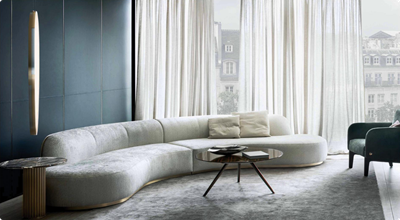
Different styles suit various needs. Here’s a quick look:
|
Style |
Key Materials |
Color Palette |
Best For |
|
Nordic |
Light woods, wool |
Neutrals, pastels |
Small spaces, cozy winters |
|
Japandi |
Mixed woods, rattan |
Earth tones, neutrals |
Mindful, compact living |
|
Minimalist |
Glass, metal |
Monochrome |
Urban minimalists |
|
Light Luxury |
Leather, marble |
Soft metallics |
Elegant homes |
|
Chinese |
Lacquer, teak |
Reds, blacks |
Cultural depth |
|
American |
Oak, fabrics |
Patterns, warms |
Family comfort |
|
Modern |
Metals, plastics |
Bolds |
Creative setups |
This table helps pick based on lifestyle. For instance, Nordic vs Japandi differs in warmth—Nordic feels hygge-like, Japandi more zen.
Blends like Japanese Nordic design offer the best of both. They create spaces that evolve with owners.
VN CASA as a Reliable Furniture Supplier
VN CASA stands out in Foshan, the hub for furniture production. With nearly 5 million online followers and over 300 team members, it connects buyers to top factories. Services cover full-home solutions at factory prices, including design, quality checks, delivery, and after-sales.
The team handles everything from space planning to inspections. Deposits offset final costs, with no extra fees. Exclusive factories ensure unique options across styles.
Explore products at VN Global Furniture Products or learn about services via VN Global Furniture Service.
Conclusion
Global furniture styles like Nordic and Japandi show how designs adapt worldwide. They balance function, beauty, and culture. Picking the right one turns a house into a home that fits daily rhythms. For more real setups, see VN Global Furniture Case Center.
FAQs
What is the difference between Nordic and Japandi style furniture?
Nordic emphasizes cozy, functional pieces with light woods for warmth. Japandi blends this with Japanese minimalism, adding darker tones and zen simplicity for calmer spaces.
How can I incorporate Japandi interior design tips into my home?
Start with low furniture and natural textures. Add plants for life. Keep clutter low to maintain flow, ideal for minimalist home decor.
Are there affordable options in different styles of global furniture?
Yes, direct factory sources cut costs by 30-50%. Look for suppliers offering fusion interior styles without retail markups.
What makes Scandinavian furniture popular in global trends?
Its clean lines and durability suit various climates. Global furniture trends 2023 highlight its adaptability in small or large homes.
Can Japanese Nordic design work in family settings?
Absolutely. Multi-use pieces handle daily needs while keeping spaces open. It promotes harmony, fitting busy households.


