

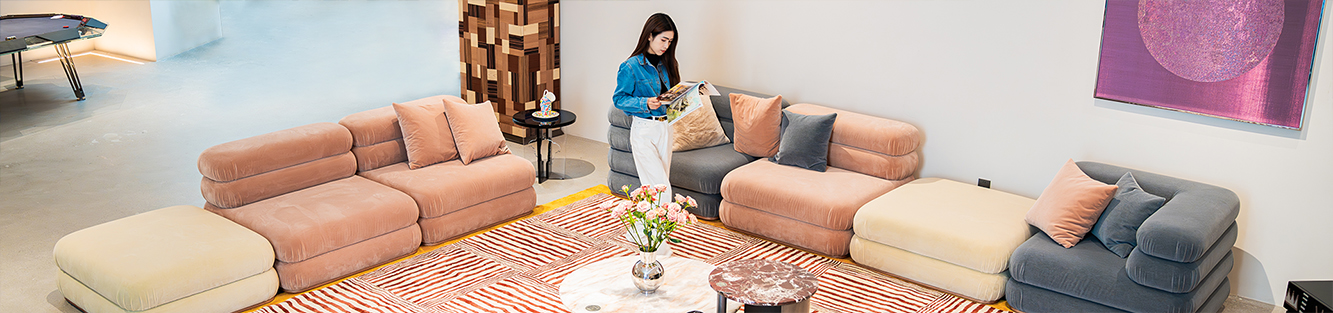
Leather vs Fabric Sofa Comfort, Care, Cost, and Lifespan
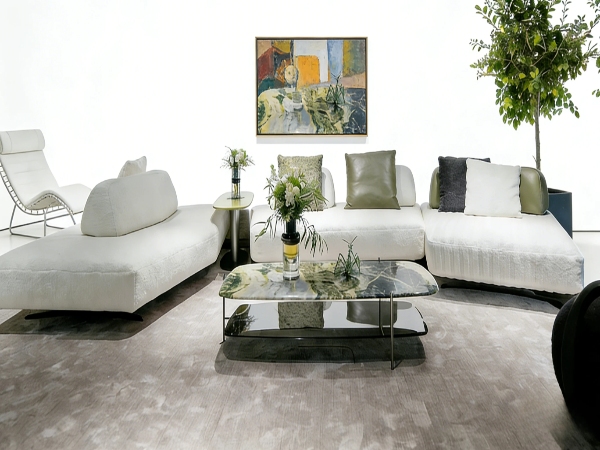
Choosing a sofa seems easy at first. Then the real questions come up. Will it feel too hot in summer? Will it survive snack spills, pet hair, or daily use in a busy family room? Will it still look good after five years? That is why the leather vs fabric sofa debate matters so much. The right answer is rarely about trend or color alone. It comes down to comfort, durability, temperature, cleaning habits, lifespan, and total cost over time.
In some homes, a leather sofa makes more sense. It is easy to wipe down. It usually ages well too. In other homes, a fabric sofa wins. It feels warmer. It feels softer. It feels more relaxed from day one. The better choice depends on how the sofa will actually be used. A formal lounge, a villa living room, a compact apartment, and a family room with children do not ask for the same upholstery.
Leather vs Fabric Sofa at a Glance
Before you check specific ways to use it, it helps to see the trade-offs side by side. Most buyers are not choosing between “good” and “bad.” They are choosing which set of compromises fits the room, the budget, and the lifestyle.
| Factor | Leather Sofa | Fabric Sofa |
|---|---|---|
| Everyday comfort | Smooth and steady, often harder | Soft and warm, usually more cozy |
| Temperature feel | Can feel chilly in winter and tacky in humid weather | More steady and comfy across seasons |
| Spill handling | Easier to wipe fast | Depends on the weave and finish. It may soak up spills. |
| Scratch resistance | Can show claw marks and scratches from sharp things | Can catch, form balls, or wear out over time |
| Cleaning routine | Dust and wipe. Condition it now and then. | Vacuum often. Spot clean it. Do deep clean when needed. |
| Lifespan | Often longer if the material and frame are good | It varies a lot by fabric quality and how you use it |
| Upfront cost | Usually higher | Usually lower |
| Long-term cost | Often lower each year in rooms with lots of use | Can be good value in spaces with less use |
Comfort Is More Than Soft or Firm
Comfort is usually the first thing buyers notice in a showroom. But showroom comfort and daily comfort are not always the same. A sofa used for a 10-minute sit test can feel very different after a long movie night, an afternoon nap, or a full year of daily use.
Leather vs Fabric Sofa Comfort in Daily Use
Fabric usually feels welcoming sooner. It is warmer to the touch. It is less slippery. It often feels lived in from the start. That makes it popular in spaces where people lounge, nap, or sit for long stretches. In homes where the sofa becomes the main place for reading, scrolling, and weekend TV, fabric often feels easier to settle into.
Leather feels different. It has a cleaner, smoother hand feel. It often comes across as more tailored. Some buyers like that firmer, more supportive seat. This is especially true in formal living rooms or design-led spaces. Others find it less easygoing at first.
There is also a small but important detail many buyers notice only after purchase. Body movement matters. Fabric creates more grip. Leather has less friction. For older users, taller users, or anyone who likes a very stable seat, that can affect comfort more than expected.
Temperature and Skin Feel Matter More Than Buyers Expect
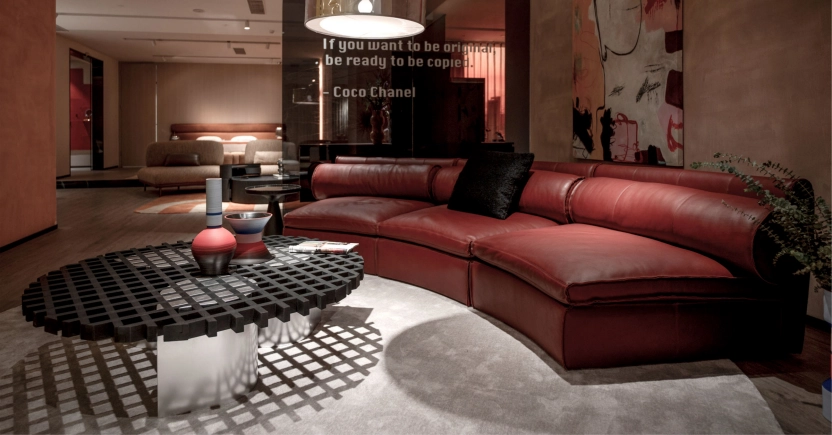 Temperature is one of the biggest practical differences in the leather sofa vs fabric sofa comparison. Leather changes faster with room temperature. In an air-conditioned room, it can feel cool at first touch. In humid weather, it may feel sticky on bare skin. In homes with strong seasonal changes, this becomes obvious very quickly.
Fabric is generally easier on you. It does not feel as cold in winter. It does not feel as slippery in warm weather. That is one reason fabric sofa vs leather sofa searches often come from buyers in family homes, apartments, and casual living rooms. When the sofa is used for long stretches every day, that soft temperature effect adds up.
Durability Depends on Use, Not Just Material
A lot of sofa guides make durability sound simple. Leather lasts longer. Fabric wears faster. Real life is less neat than that. Upholstery performance depends on traffic level, sunlight, pets, cleaning habits, and the quality of the inner structure.
Leather vs Fabric Sofa Durability After Years of Use
Leather has a strong reputation for longevity for a reason. In a well-made sofa, it tends to hold shape well. It resists light surface dirt. It develops character instead of looking tired right away. A leather sofa in a formal sitting room or a clean, low-chaos living room can age beautifully.
But leather is not damage-proof. Sharp belt buckles, pet claws, and constant direct sun can leave marks. Once scratches appear, they become part of the look unless repaired.
Fabric has a wider performance range. Some woven fabrics hold up well for years. Others pill, sag visually, trap odor, or show worn seat zones much earlier. In a high-traffic room, the difference between standard fabric and performance fabric is huge. Buyers comparing the best sofa material for living room use should pay close attention to weave density, stain treatment, and seat construction. They should not just look at color.
Which Homes Suit Leather, and Which Suit Fabric
A leather or fabric sofa should be chosen around real household behavior.
Leather usually suits:
-
living rooms where drinks, dust, and pet hair need fast cleanup
-
homes that prefer a cleaner and more neat look
-
buyers planning to keep the sofa for many years
-
projects where long-term appearance matters more than a comfy first impression
Fabric usually suits:
-
family rooms used all day
-
homes where comfort comes before neat look
-
cooler climates or rooms where people nap often
-
buyers who want more texture, color, and looks that can change
For pets, the answer is mixed. Leather handles fur and small spills well. But cat claws can be a problem. Fabric hides minor surface marks better. But it can trap hair and odors. For families, “best sofa for kids and pets” often means choosing the right fabric type. It is not just choosing fabric in general.
Cleaning and Maintenance: Quick Wipe or Deep Clean?
Cleaning is where many buying decisions become practical. A sofa can look perfect in photos. It can still become frustrating if the maintenance does not match the household.
Leather Sofa Maintenance in Real Homes
Leather sofa maintenance is simple in daily life. But it is specific over time. Dusting and wiping are usually straightforward. A small spill can often be cleaned before it soaks in. That is a major advantage in homes where snacks, coffee, or pet paws are part of the routine.
Still, leather needs periodic care. Conditioning helps prevent dryness and surface cracking. This is especially true in dry climates or sun-exposed rooms. It is also smart to keep leather away from strong heat sources and direct sunlight.
Fabric Sofa Cleaning: Easier or Harder Than It Sounds?
Fabric sofa cleaning can be easy or annoying. It depends on the upholstery. A tightly woven, stain-resistant fabric with removable covers is a very different experience. It is different from a soft, absorbent fabric with no wash-friendly features.
In daily life, fabric usually needs:
-
regular vacuuming
-
quick blotting after spills
-
occasional spot treatment
-
deeper cleaning over time, especially in busy homes
This is where buyer disappointment often happens. A fabric sofa may feel perfect on day one. Then it starts holding crumbs, dust, body oil, or pet smell. These make the room feel less fresh. For buyers searching “how to clean a fabric sofa,” the real answer starts before purchase. Choose a fabric that matches the level of mess the room will see.
Lifespan and Total Cost of Ownership
Upfront price matters. But it is only one part of the math. The better question is this. What will the sofa cost per usable year?
That is where leather sofa lifespan vs fabric sofa lifespan becomes a serious buying factor. It is especially important for homeowners, property projects, and furnished spaces that need to stay presentable.
| Cost factor | Leather Sofa | Fabric Sofa |
|---|---|---|
| Initial spend | Higher | Lower |
| Routine care cost | Low to medium | Low to medium |
| Deep cleaning need | Less often | More likely as time goes |
| Replacement cycle | Often longer | Often shorter in rooms with heavy use |
| Cost per year | Often better when used for long time | Often better in short time or low use |
A fabric sofa may be the smarter buy when the room is used lightly. The design may change in a few years. The budget is tight now. A softer feel matters most.
A leather sofa often pays back when the sofa is used every day. Easy wipe-down matters. The look needs to stay clean over time. The buyer wants fewer replacements.
In other words, the leather vs fabric sofa cost question should not stop at the price tag. It should include cleaning effort, expected wear, likely replacement timing, and how the room is actually lived in.
How to Choose the Best Sofa Material for Your Room
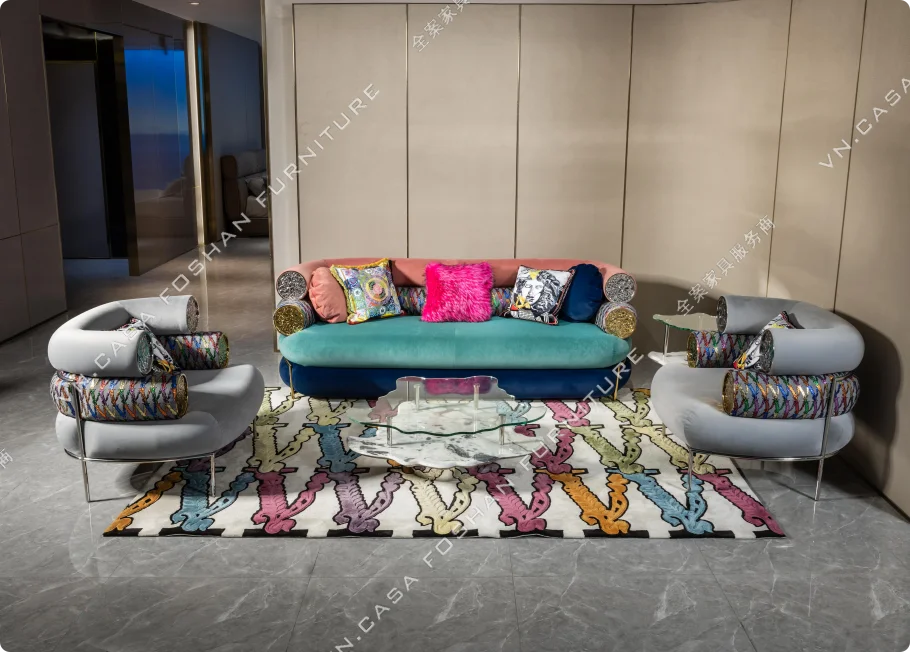
The final choice gets easier when the room is defined clearly. Not every sofa has to do the same job.
Best Sofa Material for Living Room Use by Scenario
For a formal living room, leather often works well. It looks neat. It looks clean and tidy. It holds its shape.
For a family TV room, fabric often feels better for long sitting sessions. This is especially true if performance upholstery is used.
For a home with dogs, leather is easier for fur cleanup. But fabric may hide light wear better.
For a home with cats, tightly woven performance fabric is often safer than delicate leather.
For hot, humid climates, breathable fabric usually feels more comfortable.
For allergy-sensitive spaces, leather has an advantage. Dust and dander sit more on the surface.
About VN CASA Foshan Furniture
For buyers sourcing beyond a single sofa, supplier capability matters as much as material choice. VN CASA Foshan Furniture presents itself as a furniture supplier and sourcing partner based in Foshan. It connects clients directly with manufacturers. It reduces middle layers in the buying process. The company highlights one-to-one designer support, quality control, and whole-house furniture solutions. It does not sell a single isolated piece.
That matters for residential projects, villas, apartments, and furnishing packages. Leather and fabric decisions affect not only style. They affect maintenance workload, replacement planning, and long-term budget too. With experience across different project types, a supplier that understands both design direction and practical use can help buyers choose materials. These materials fit the room, the climate, and the daily routine.
Conclusion
The leather vs fabric sofa decision is not really about which material is universally better. It is about which one fits the way the space will be used. Leather usually wins on easy cleanup, structured appearance, and long-term value in high-use rooms. Fabric often wins on softness, warmth, and casual comfort. When comfort, durability, maintenance, and total cost are weighed together, the best choice becomes much clearer.
FAQs
Is leather or fabric sofa better for families?
For families, fabric often feels more comfortable for long daily use. But leather is easier to wipe clean after spills. The better option depends on the type of mess. If the home deals with juice, snacks, and pet hair every day, leather can save time. If the priority is softness and all-day lounging, performance fabric is often the better family choice.
Is a leather or fabric sofa better for hot weather?
In hot or humid climates, fabric usually feels more comfortable. Leather can feel sticky against bare skin. It may react more sharply to room temperature. Buyers looking for the best sofa material for hot climate use often prefer breathable fabric upholstery.
Is leather vs fabric sofa cost only about the purchase price?
No. The leather vs fabric sofa cost question should include upkeep, cleaning effort, visible wear, and replacement timing. Fabric often costs less at the start. Leather often costs less per year when the sofa is used heavily and kept for a long time.


