

What Makes Durable Furniture? A Simple Buyer’s Guide
Durable furniture is not just for big fancy jobs now. Wholesalers, retailers, contractors, and hotel buyers all need it. It changes the real cost over the years. It changes how many times you fix things. It changes if customers stay happy. You buy for houses, hotels, or offices. Knowing what makes it last helps you buy less often. It saves your money too.
This guide shows you how to pick furniture that really lasts. It talks about good materials for different spots. It also helps you find real suppliers in today’s market.
Why Durable Furniture Matters in Commercial and Residential Projects
Lots of people look at the look and price first. But in busy places the true cost shows up later. Think about hotel lobbies, rental apartments, serviced homes, and offices. They get used a lot.
One dining chair in a restaurant can be sat on 200 times a week. A hotel bed frame may hold over 1,000 guest stays in five years. So durable furniture controls a few key things.
It controls how often you replace it. It controls the cost of repairs and worker time. It controls complaints from guests. It controls what people think about your brand.
When you choose good durable furniture you get fewer broken parts, fewer loose joints, less worn fabric, and less damaged surfaces. Later on you see better reviews, fewer warranty calls, and costs that stay steady. This is why you should think about it from the start.
Okay, now let’s talk about the basic things that make it strong.
Frame Construction and Structural Integrity
The frame inside is the backbone. You cannot see it but it holds everything together.
For solid wood furniture they use kiln-dried hardwood frames. The moisture stays at 8 to 12 percent. This stops cracks and bending. Old style joints like mortise-and-tenon or dowels last longer than plain screws.
For metal furniture the welds must be good and the steel tubes thick. Bad welds break early, especially in busy seating.
For sofas with cloth the corner blocks and crossbars need to be strong. They spread the weight evenly. This stops sagging over time.
So these parts keep the furniture solid for many years.
Material Selection and Performance
The material decides how the piece handles water, weight, rubbing, and heat changes.
Here is a simple table of common materials for long-lasting furniture.
| Material Type | Durability Level | Best Use Scenarios | Key Considerations |
|---|---|---|---|
| Solid Hardwood | High | Dining tables, bed frames, cabinets | Stable moisture control required |
| Plywood (Multi-layer) | Medium-High | Wardrobes, built-ins, hotel casegoods | Check veneer quality |
| Engineered Board | Medium | Budget projects, rental units | Edge sealing critical |
| Stainless Steel | High | Outdoor, kitchen, humid areas | Anti-corrosion grade matters |
| Aluminum | Medium-High | Outdoor furniture | Lightweight but softer |
When you look at solid wood the hard kinds beat softwoods for heavy loads. Near the sea or in hot wet places you really need moisture-resistant furniture materials. They are a must.
Next I will show how needs change by room and use.
Durable Furniture by Room and Usage
Every room has different wear. A quiet home bedroom is easy compared to a hotel room with new guests every day.
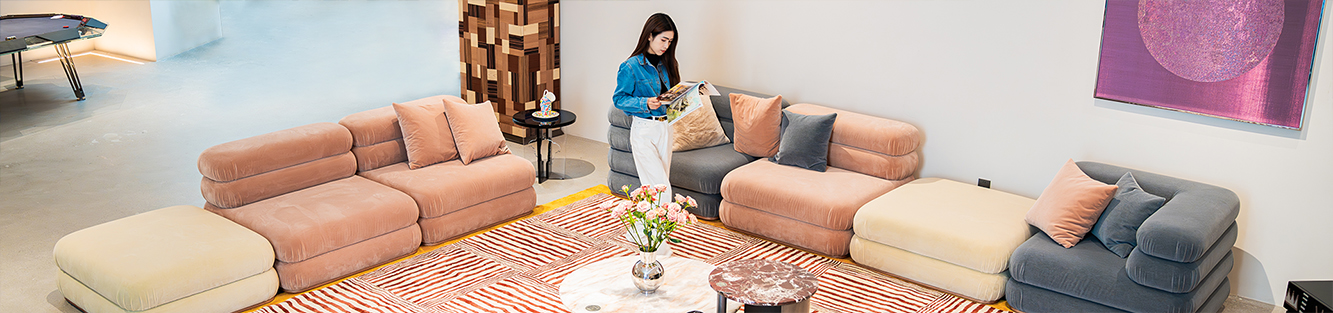
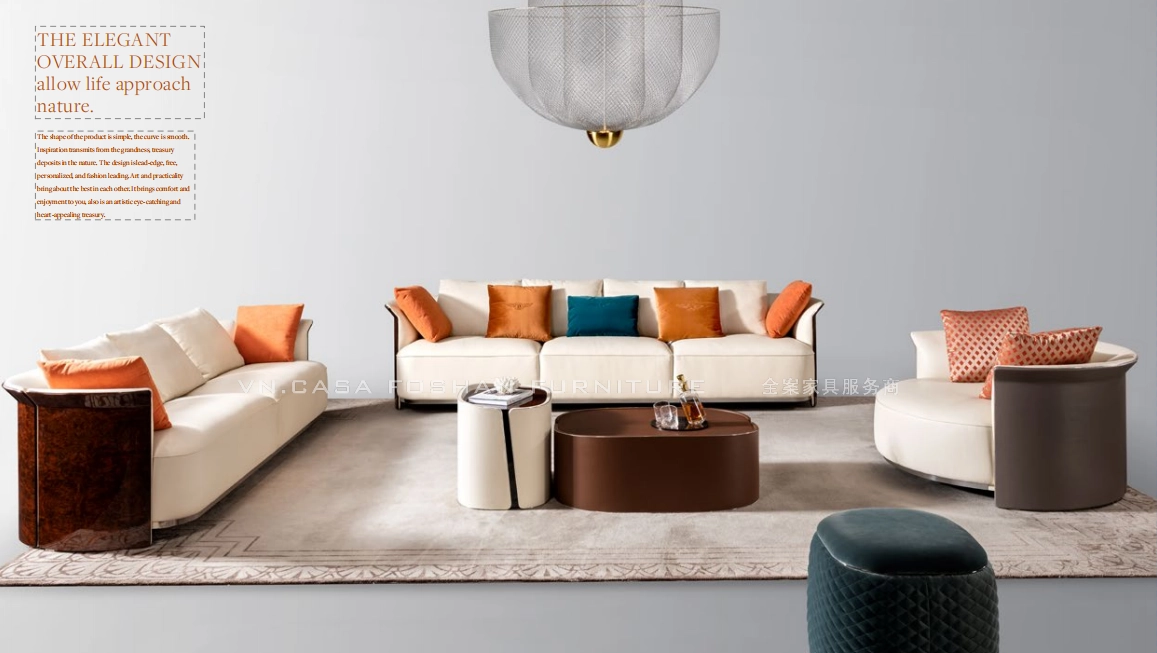
Living Room Furniture
Sofas and lounge chairs need strong frames and thick foam. If the foam is under 28kg/m³ it sags fast in busy use, often in two or three years.
Coffee tables with glass look pretty but the joints can chip or get loose. Solid wood or metal bases stay steadier for a long time.
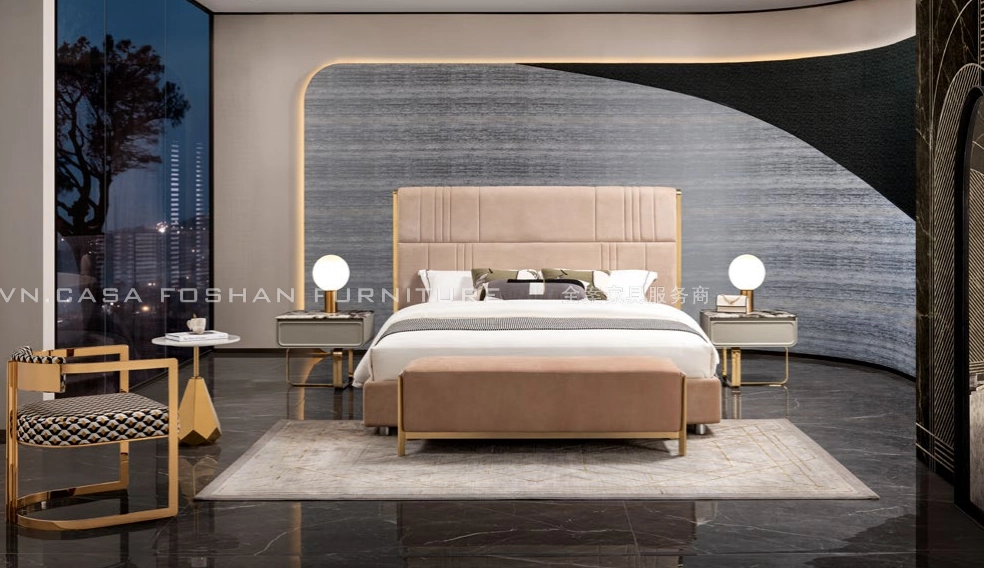
Bedroom Furniture
Beds get used again and again so they need extra help.
They need reinforced center support legs. They need solid slats or thick plywood. They need metal brackets at the connections.
Wardrobes and cabinets work better with thick plywood sides instead of thin particle board. This is extra important in humid air.
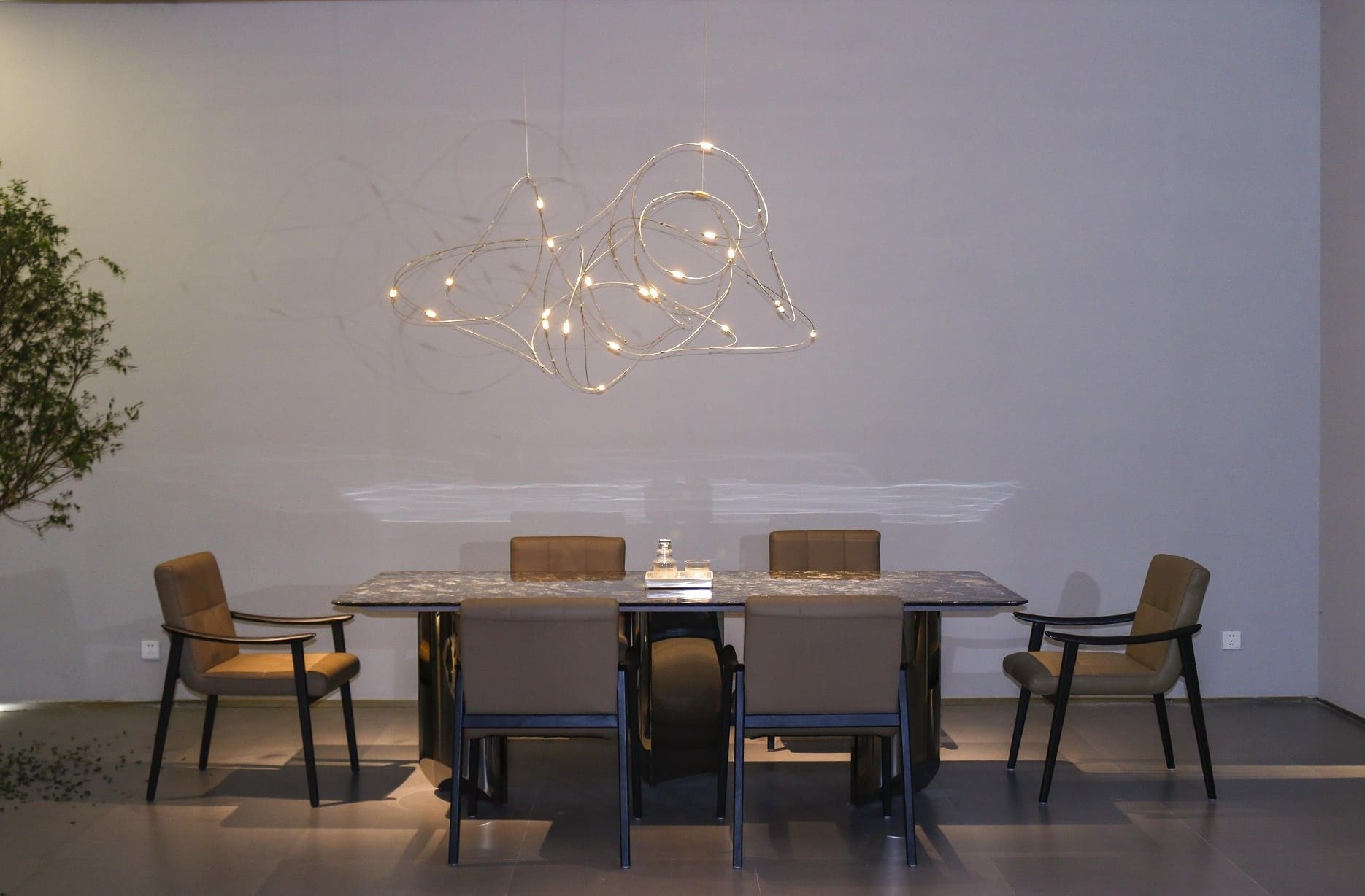
Dining and Restaurant Furniture
Restaurant pieces get tested every day. Chairs must handle pushing, stacking, and lots of cleaning. Scratch-proof finishes and thick coatings keep marks away.
Tables in busy dining spots need tops that resist scratches and hot plates. Sometimes laminate with a strong core lasts longer than real wood veneer in high-turnover places.
Outdoor Furniture
Outside furniture fights sun, rain, and big temperature changes. Powder-coated steel, treated teak, or aluminum frames are usual picks. The fasteners must stop rust so you avoid red stains.
These choices keep it looking good outside.
Now let’s talk about the small parts that hold it all together.
The Role of Hardware in Long-Lasting Furniture
Even great materials fail if the hardware is weak. Hinges, drawer slides, and connectors control daily use.
Common problems are drawers that go crooked, doors that hang low, screws that come loose, and noisy operation.
Business suppliers pick hardware tested for 50,000 opens or more. This makes everything last much longer. In big projects the hardware is what makes it feel premium instead of just okay.
Let’s move on to the outside protection.
Surface Treatment and Finish Durability
The top layer protects from scratches, spills, and cleaners.
Popular choices are PU coating for scratch fighting, melamine for quick cleaning, powder coating for metal, and water-based finishes for clean air rooms.
In hotels they like easy-to-clean pieces. Matte finishes hide small scratches better than shiny ones.
Signs of Truly Durable Furniture
When you test samples or visit the factory do these quick checks.
Lift one corner of a table. If it wobbles the joints are weak. Sit on a chair and lean back. Listen for any creak. Look under the sofa for extra bars. Check if board edges have no gaps. Ask for the thickness numbers.
Good makers usually share material reports, load tests, and finish details when you ask.
These checks are simple but they tell you a lot.
Cost vs. Lifespan: Understanding Real Value
Cheap price at first can mean bigger costs later. So look at the full story.
Here is a simple comparison table.
| Item Type | Low-Cost Unit Lifespan | Durable Unit Lifespan | Replacement Over 10 Years |
|---|---|---|---|
| Dining Chair | 3 years | 8 years | 3 vs 1 |
| Bed Frame | 4 years | 10 years | 2 vs 1 |
In hotels and rentals strong furniture means less closed rooms for repairs. Over ten years you replace less. The extra money at the start is usually worth it.
This is why thinking long term saves you cash.
Sourcing Durable Furniture from Reliable Suppliers
Design is nice but the factory skill is what really counts.
Buyers check these things. Big factory with many lines. Good inspection steps. Lots of export experience. Can change designs. Show past jobs.
Suppliers that do design, making, and shipping all in one place keep quality steady.
About VN CASA Foshan Furniture
VN CASA Foshan Furniture is a full supplier for homes, hotels, and business projects. It sits in Foshan, the big furniture area in China. They handle design, making, and export all together.
They offer living room, bedroom, dining room, and custom project furniture. They check quality step by step and have many past projects. This helps wholesalers, contractors, and developers get durable furniture that fits what the market needs.
They also help plan the whole buy. They manage sourcing, changes, and shipping times for different pieces.
Here is the main wrap-up.
Conclusion
Durable furniture starts with strong build, then good materials, then the right finish. The inside frame, the stable stuff, the hardware, and the top layer decide if it lasts three years or ten.
Business buyers get less repair work, happier users, and safe investment. Check the frame strength, moisture resistance, hardware tests, and supplier trust. This gives you a clear way to buy smart.
When you always ask for durability the whole buying process changes from just price to real long-term value.
FAQs
What is the most durable material for furniture?
Solid hardwood and stainless steel are top choices for strong parts. But it depends on the place. In wet areas treated wood or coated metal works better because they handle moisture well.
How can durable furniture reduce long-term costs?
It lasts longer so you buy new less often. Fixes are fewer too. In hotels or restaurants this means less worker time, less new parts, and no unhappy guests.
Is engineered wood suitable for long-lasting furniture?
Thick multi-layer plywood is fine if the edges are sealed tight. Thin boards with weak edges wear out fast.
What should be checked when buying furniture for hotels?
Look at frame strength, foam thickness, how many times the hardware works, and if the top resists scratches. Hotel standards are stricter than home use.
How to identify a reliable durable furniture manufacturer?
Find suppliers with real project stories, clear check systems, customization help, and good shipping. Look at their past jobs and factory size to know they are steady.


