

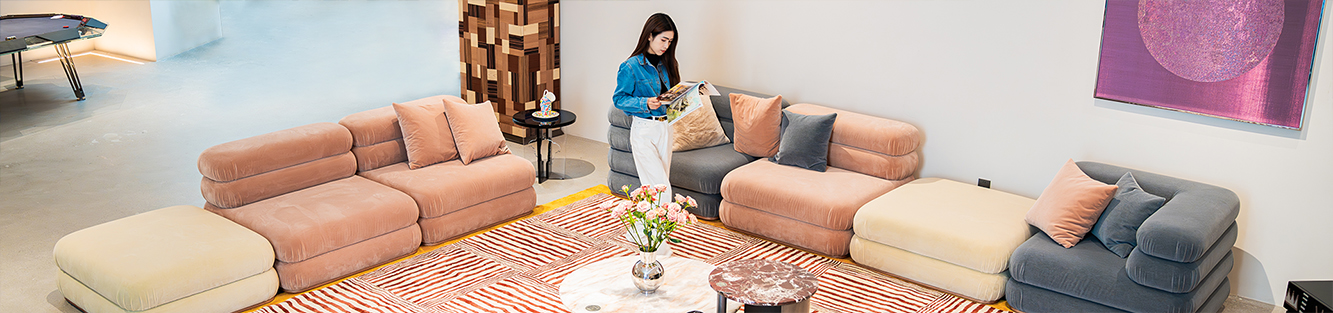
How to Choose Contract Furniture for Hotels and Apartments
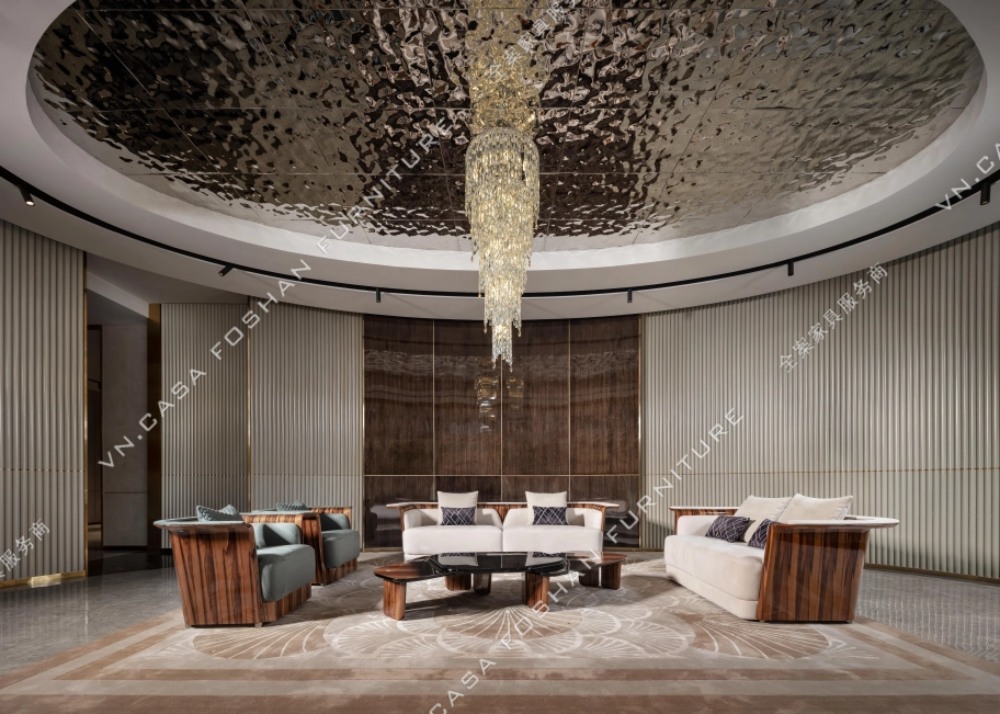
In the hotel and apartment business, furniture does more than just decorate the space. It acts as a main support system. For people who own hotels, run serviced apartments, or develop properties, contract furniture for hotels and apartments has to deal with heavy daily use. It needs to handle frequent cleaning, different types of guests, and tough safety rules. At the same time, it must keep a strong look that matches the brand.
People pay attention to strength, fire safety rules, simple care, custom sizes, and good delivery for projects. But they often miss how design choices link to long-term costs in daily operations. This guide fills that gap.
Whether you are furnishing a small hotel, city rental apartments, or a resort villa project, the steps below cover material rules, build details, and how to manage the project well.
What Is Contract Furniture in Hospitality?
Residential furniture and contract furniture may seem alike at first. But the real difference shows up after six months of everyday use.
Contract furniture for hospitality places is made for certain things. It works well in busy spots like lobbies and breakfast rooms. It suits guest rooms that see many changes. It fits with strong cleaning methods used in business. It meets fire safety and other safety rules. It supports buying in large amounts and making more later.
In hotels and serviced apartments, sofas get used much more than in private homes. Dining chairs get stacked, moved, and cleaned many times each day. Beds must hold up under different body weights and when people turn the mattresses. The furniture needs to stay steady, safe, and look the same over time.
Before we check specific product types, it helps to know the main performance rules for hospitality furniture solutions.
Key Performance Standards for Hotel and Apartment Furniture
Each buying choice should mix good looks with clear signs of how long it lasts. The technical parts below affect the total cost over time in a direct way.
Frame Construction and Load Capacity
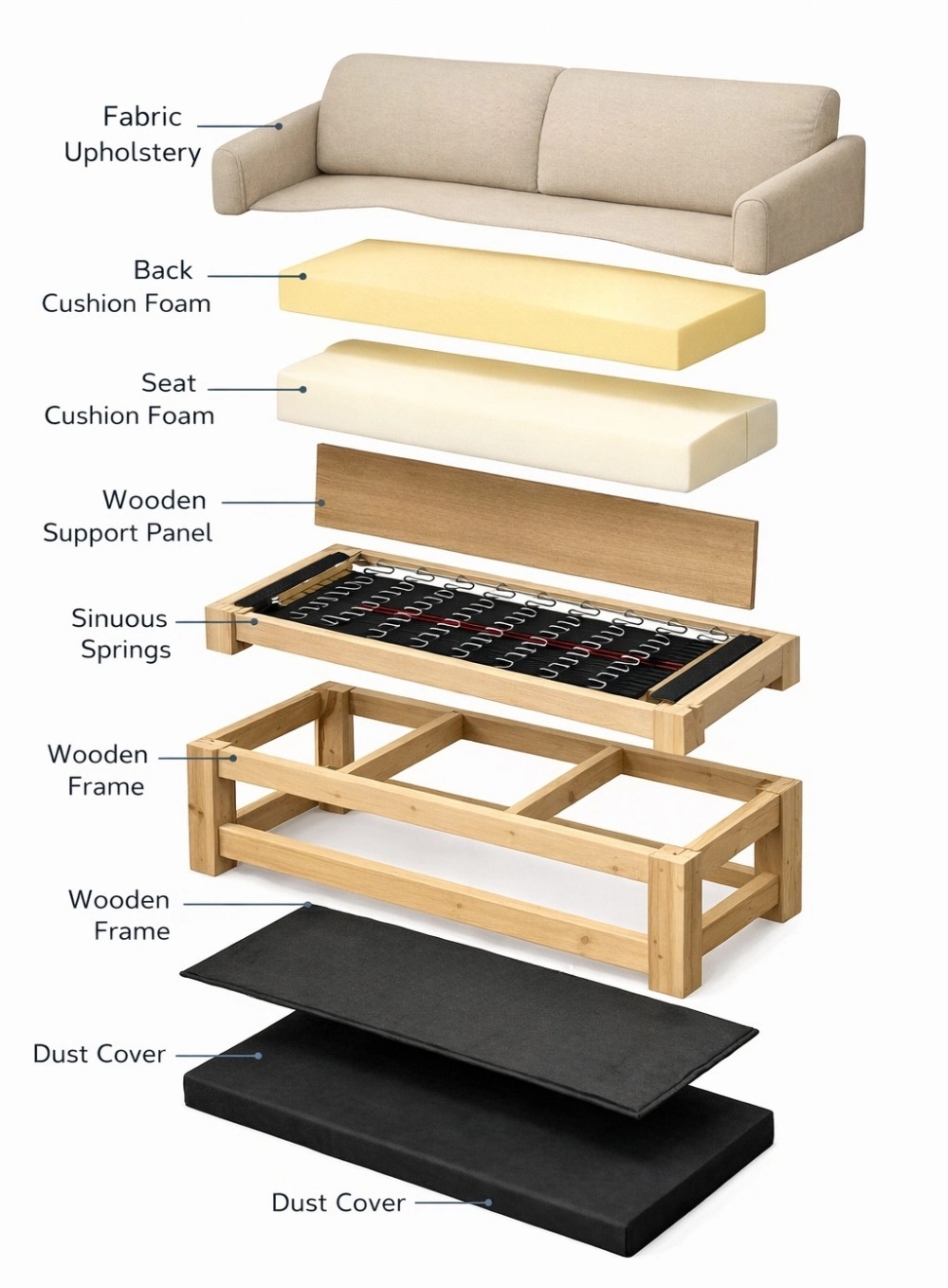
Solid wood frames, stronger plywood, and dried hardwood builds work better than light home frames in business places. For example, a hotel lobby sofa may hold 8 to 12 different people each day. Apartment rental beds may go through repeated put together and take apart.
Look for these features. Reinforced corner blocks. Double dowel joints. Steel brackets at points of stress. Minimum load standards tested for business use.
Weak inside framing is hard to see in showrooms. But it becomes expensive when the place is running.
2. Upholstery Durability and Abrasion Resistance
The choice of fabric affects how often you need to fix it. Commercial-grade upholstery for contract furniture should reach higher Martindale abrasion ratings than home use. In hospitality spots, guest room seating needs 30,000 to 50,000 rubs. Lobby seating needs 50,000 rubs or more. High-traffic public areas need stain-resistant and easy to clean finishes.
Also, many areas require fire retardant upholstery that meets local rules. Always check fabric certification at the start of buying.
3. Surface Materials and Maintenance
Cleaning teams in hospitality work quickly. Materials must handle these things. Alcohol-based disinfectants. Steam cleaning. Frequent wiping. Scratches from luggage and impacts.
The table below compares common hospitality materials.
| 材料类型 | Suitable Areas | Key Advantages | Maintenance Notes |
|---|---|---|---|
| Sintered stone | Dining tables, desktops | Scratch-resistant, heat-resistant | Low maintenance |
| High-pressure laminate | Apartment desks | Cost-effective, durable surface | Easy cleaning |
| Solid wood veneer | Guest room case goods | Warm aesthetic, stable structure | Requires sealing |
| 粉末涂层金属 | Bed frames, bases | Corrosion-resistant, strong structure | Minimal upkeep |
Material choices affect both the look and how often you replace things.
Now let’s look at how furniture fits different parts of a hotel or apartment building.
Hotel Furniture Solutions by Area
Each area in hospitality has its own needs for how it works. Furniture choice should match real guest actions instead of just drawings.
Lobby and Reception Areas
The lobby sets the first impression and absorbs the most unpredictable usage.
Recommended pieces:
-
Modular sofas (reconfigurable for events)
-
Lounge chairs
-
Coffee tables
-
Reception counters
Choose metal bases and reinforced legs to prevent wobbling. Minimalist or light-luxury styles can be achieved without sacrificing structural stability.
Guest Rooms
Core items that combine comfort and durability:
-
Upholstered bed frames (engineered for mattress flipping and housekeeping)
-
Nightstands
-
Writing desks
-
Lounge chairs or benches
Soft seating should use high-density foam cores (35–45 kg/m³) for better resilience. Avoid loose decorative elements in rental environments.
Dining Areas and Breakfast Rooms
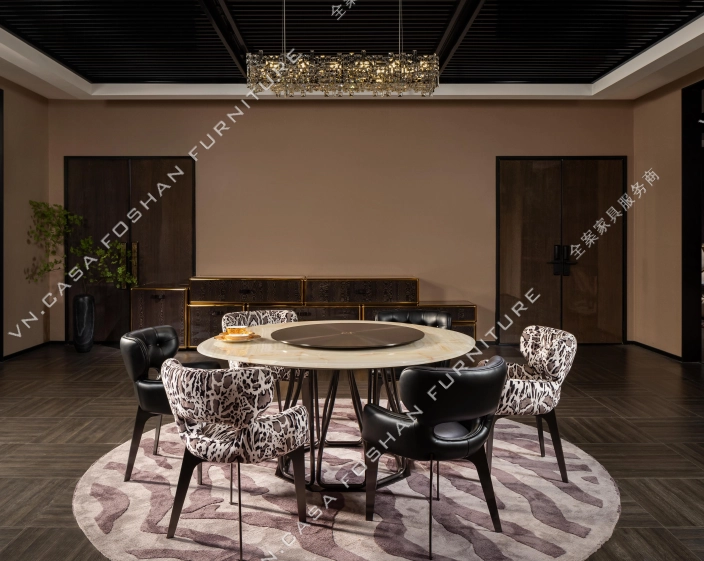
Furniture faces constant movement and cleaning.
Critical specifications:
-
Stackable or lightweight dining chairs
-
Reinforced chair joints
-
Heat-resistant table surfaces
-
Stable bases to prevent tipping
The same standards apply to shared dining facilities in co-living apartments.
Apartment Furniture for Rental and Serviced Living
Serviced apartments and rental units work differently from hotels. But they need similar strength.
In long-term rentals, furniture must mix comfort and low cost. Replacement times should match lease lengths.
In short-term rentals, wear is higher like in hotels. Smart buying plans include these:
-
Neutral color palettes to extend style lifespan
-
Modular sofas for flexible layouts
-
Storage-integrated beds for small urban units
Minimalist and eclectic furniture types often fit well in modern apartment projects. This is true where saving space is key.
Fire Safety and Compliance in Contract Furniture
Hospitality places follow safety rules. Furniture should match these. Fire retardant foam standards. Flame-resistant upholstery needs. Local hospitality fire codes.
Ignoring these rules can delay opening or cause legal problems. Early work between furniture suppliers and project managers cuts extra work. Samples, test reports, and papers should get checked before making starts.
Project Timeline: From Sample to Installation
One common problem in hospitality projects is keeping everything on time. Furniture must match building schedules.
A usual timeline has these steps:
-
Design confirmation and material selection
-
Sample production and approval
-
Bulk manufacturing
-
Pre-shipment inspection
-
Logistics coordination
-
On-site installation
Delays often come from late material approval or wrong shipping plans. A clear project management way lowers these risks.
In big hospitality furniture projects, third-party quality checks before loading containers stop expensive returns from other countries.
Cost Control in Hotel and Apartment Furniture Procurement
Low purchase price rarely equals low total cost. Focus on:
-
Replacement frequency
-
Maintenance labor hours
-
Warranty coverage
-
Spare parts availability
For example, a dining chair that lasts five years instead of two cuts replacement labor and down time a lot. Bulk production planning also changes the price per unit. Putting guest room packages into standard sets can lower cost without hurting design match.
Matching Style with Commercial Performance
Hospitality furniture must work well in tech ways while showing the brand look. Common style directions in hospitality projects include these. Minimalist interiors for city business hotels. Light luxury themes for high-end serviced apartments. Eclectic elements for boutique ideas.
The hard part is mixing nice looks with stronger build. Decorative details should not make load parts weaker. Picking experienced hospitality furniture makers with design and engineering skills cuts down on compromises.
VN CASA Foshan Furniture: Hospitality Project Support
VN CASA佛山家具 works as a professional furniture supplier. It is based in Foshan, China. This place is one of the world’s major furniture production hubs. The company gives sourcing, quality control, and project coordination services for global hospitality and residential projects.
Its portfolio covers many styles. These include minimalism, eclectic furniture, and light luxury collections. This lets it fit different hotel and apartment ideas. Beyond just supplying products, services include supplier integration, factory inspection, material confirmation, and shipment coordination.
Through clear project handling and experience from past cases, VN CASA supports hotel furniture solutions and apartment furnishing programs from selection to delivery.
More information on project experience and product categories can be explored through its product pages, service overview, case center, and contact channels.
结论
Contract furniture for hotels and apartments needs more than good looks. It demands strong build, abrasion-resistant upholstery, fire safety compliance, and smart project planning.
Successful projects align three factors:
-
Technical durability
-
Operational efficiency
-
Consistent design language
When furniture choices come from real use cases like cleaning times, guest changes, and load needs, the result is lower maintenance cost and longer use life.
For hospitality developers, operators, and designers, picking the right contract furniture partner plays a key role in project success.
常见问题
What is contract furniture for hotels?
Contract furniture for hotels means commercial-grade furniture made to handle heavy traffic, frequent cleaning, and safety rules. It differs from residential furniture in strength standards, structural reinforcement, and fire resistance.
How long should hotel furniture last?
Well-built hotel furniture usually lasts 5 to 10 years. This depends on how much it gets used. Lobby seating may need fixing sooner. But solid case goods often last longer when cared for right.
What materials are best for apartment furniture in rental units?
For rental apartments, tough upholstery with high abrasion ratings, reinforced wooden or metal frames, and scratch-resistant tabletop materials work best. Neutral designs also make the style last longer.
How can hospitality projects reduce furniture replacement costs?
Choosing commercial-grade materials, checking structural strength, doing pre-shipment inspections, and standardizing room packages all lower long-term replacement expenses.
Does contract 家具 need fire retardant certification?
In many areas, hospitality furniture must follow fire safety standards. It is important to check local rules and ask for certified materials before production starts.


