

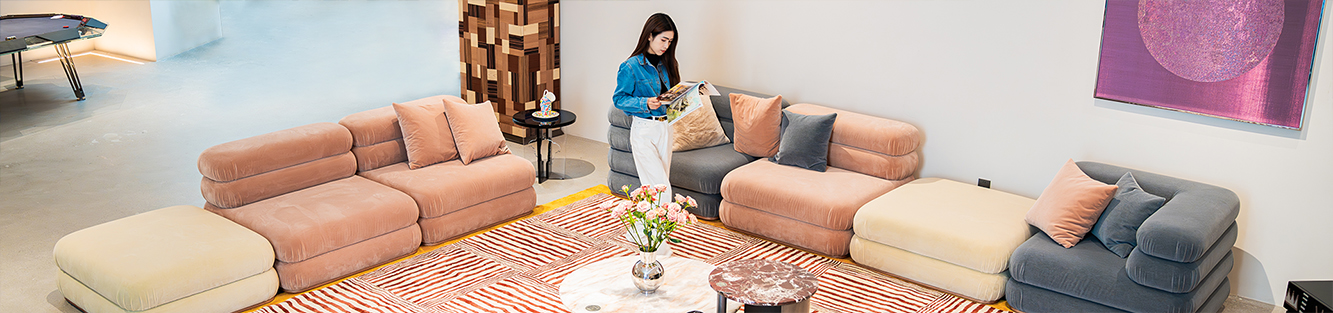
Complete Guide to Importing Furniture from China Tips & Best Practices
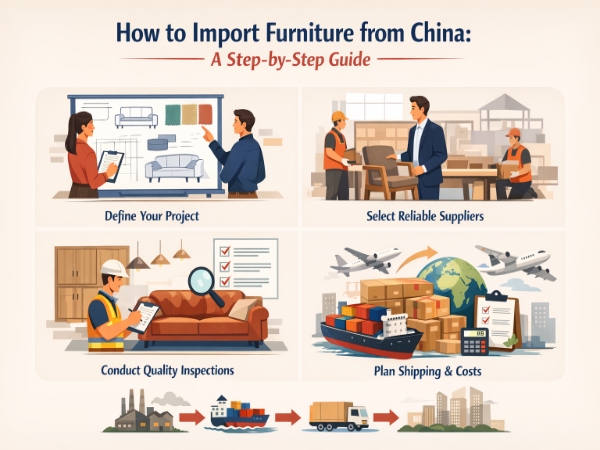
Importing furniture from China can be a smart move for wholesalers, interior designers, developers, and homeowners with full-house projects. The catch is simple: low factory prices alone do not make a good order. A good order comes from clear specs, the right supplier route, steady quality control, and a realistic landed-cost plan. Buyers who get these four parts right usually save time, cut rework, and avoid expensive surprises after the cargo lands.
Why China Still Leads Global Furniture Sourcing
The real draw is not only price. China gives buyers a rare mix of product depth, style variety, flexible customization, and mature supply chains. That matters even more in furniture, where one project may involve sofas, beds, dining sets, lighting coordination, custom finishes, and mixed packaging standards.
Broad product range matters more than a cheap quote
A buyer furnishing one apartment needs different support than a buyer sourcing for a villa, a showroom, or a hospitality project. China works well because it can serve all of those needs at once. One order can cover modern upholstered seating, dining furniture, bedroom sets, occasional pieces, and custom size requests without forcing the buyer into a single design language.
This is also why experienced importers rarely start with “What’s your best price?” They start with “Can this supplier hold quality across the full list?”
Foshan is where many serious buyers begin
For furniture sourcing, Foshan matters because it combines factory depth, showroom access, and project-level sourcing in one region. Current ranking pages on this topic repeatedly treat Foshan as core buying hubs, and VN CASA Foshan Furniture’s own site positions the company in Lecong Furniture City with direct factory access and whole-home sourcing support.
Start With a Sourcing Brief, Not a Product Search
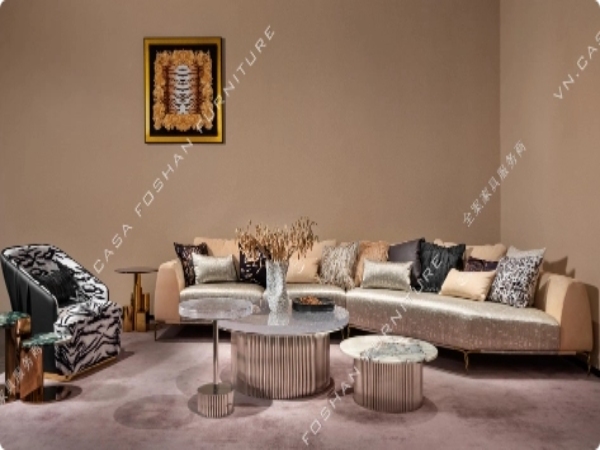
Before contacting any furniture supplier in China, the project needs to be defined. This is the step many beginners skip, and it usually leads to messy quotes, long message chains, and mismatched samples.
Match the sourcing route to the project type
Not every buyer should use the same route.
| Project type | Best route | Why it works |
|---|---|---|
| Full-house furnishing | Foshan sourcing + buying agency support | Easier category mixing, style control, and shipment consolidation |
| Villa or hospitality project | One-stop project supplier | Better coordination across rooms, finishes, packing, and after-sales |
| Retail or wholesale restock | Specialized factory or category supplier | Stronger pricing and repeat-order consistency |
| Small trial order | Limited sample order or mixed sourcing | Lower risk before scaling up |
A buyer sourcing ten containers a year should not use the same workflow as someone buying furniture for one residence. The cost structure, MOQ pressure, and quality risk are completely different.
Build a quote sheet suppliers can actually use
A usable sourcing brief should include:
-
room list or product list
-
target style references
-
dimensions
-
preferred materials
-
color or finish notes
-
quantity by SKU
-
packaging requirements
-
target delivery time
-
destination country and city
A vague request such as “modern luxury living room furniture” usually brings back random offers. A clear brief with seat depth, wood tone, fabric preference, and packing request gets better quotes faster.
Choose the Right Supplier, Not Just the Lowest Offer

Once the brief is ready, supplier selection becomes much easier. At this stage, the goal is not to find the cheapest quote. It is to find the supplier setup that fits the job.
Factory, trading company, or buying agency?
A direct factory can be a strong choice when the order is focused on one category, such as dining chairs or upholstered beds. A trading company may help with communication and category range, but quality control can become less transparent. A buying agency is often more useful for mixed-category orders, whole-home projects, and buyers who need showroom support, factory coordination, inspection follow-up, and shipment consolidation.
For a villa project, using five unrelated factories without one coordinator can create style drift, size mismatch, and packing confusion. That problem shows up late, usually when cargo is already being loaded.
What to verify before paying a deposit
Ask for more than catalog photos. Check the operating basics:
-
clear quotation with material, size, finish, and packing details
-
production lead time and MOQ
-
sample policy
-
factory or showroom video call
-
inspection terms
-
replacement or repair policy for damaged goods
-
export experience for your destination market
Many suppliers also ask for a production deposit before work starts, so the paperwork and quality terms must be clear before money is sent.
Quality Control Starts Before Mass Production
Furniture is visual, tactile, and bulky. That means mistakes are expensive. A bad fabric choice, wrong walnut tone, weak carton edge, or unstable table base can destroy the value of an otherwise good order.
Treat the sample as the standard
The approved sample should define the order. That includes more than the shape. It should lock in:
-
fabric or leather grade
-
wood veneer tone
-
stone or sintered surface look
-
stitching detail
-
foam feel
-
hardware color
-
leg finish
-
packing method
In real projects, many claims happen because the buyer approved the shape but never confirmed the finish under daylight, the comfort level, or the carton marks.
Inspect at the right stages
A final inspection alone is often too late for furniture. For larger or mixed orders, three checkpoints work better:
| Stage | Main check | Why it matters |
|---|---|---|
| Sample approval | material, finish, comfort, dimensions | Prevents spec drift before production |
| In-production check | structure, hardware, workmanship, packaging prep | Catches batch issues early |
| Pre-shipment check | quantity, labels, cartons, appearance, loading readiness | Reduces damage and delivery surprises |
For upholstered items, inspect seam alignment, seat feel, leg stability, and underside finishing. For tables, check flatness, wobble, top pattern consistency, and corner protection. For beds, check frame strength, slat fit, fabric tension, and packing thickness.
Plan Shipping and Landed Cost Early
A quote from a furniture manufacturer in China is not the final cost. The real decision should be based on landed cost, not unit price.
FCL or LCL?
Furniture takes volume fast. That is why sea freight is usually the practical option for larger orders. Full container load works better when the volume is high enough, or when the order includes mixed items that need safer handling and cleaner loading control. Less than container load can suit trial shipments, but it often brings more handling points and a higher chance of carton wear or delays. Current import guides on this topic consistently explain furniture shipping around FCL, LCL, Incoterms, and document control.
What should be in the landed-cost math
Before approving the proforma invoice, calculate the full chain:
-
factory price
-
inland pickup
-
export charges
-
freight cost
-
destination port fees
-
customs clearance
-
duty and tax
-
local delivery
-
storage risk
-
assembly or installation cost
-
reserve for replacements
The basic paperwork normally includes a commercial invoice, packing list, and bill of lading or air waybill, with Incoterms clearly agreed in advance. If that part is vague, delays and extra charges tend to appear later, not earlier.
Common Mistakes Buyers Make When Importing Furniture From China
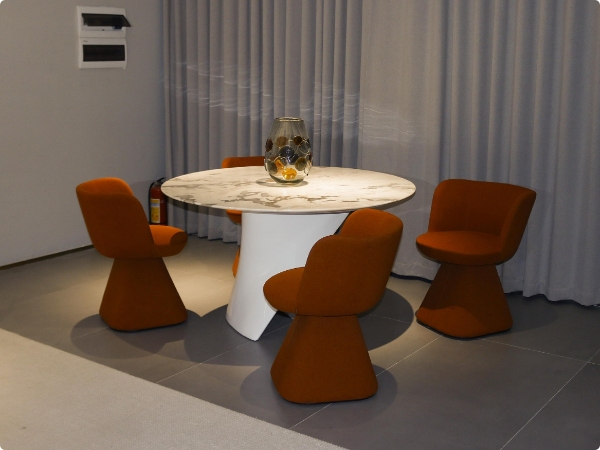
Most bad orders do not fail because China is difficult. They fail because the process was loose.
-
Choosing from photos only, without a real sample or finish confirmation
-
Comparing quotes that use different materials, foam grades, or packing standards
-
Mixing too many suppliers without one style and dimension sheet
-
Ignoring packaging until the cargo is ready to load
-
Focusing on low MOQ instead of stable quality and repeatability
-
Leaving no time for correction before vessel cut-off
A cheap chair with weak export packing is not cheap after it arrives damaged. A good import plan looks at the order as a project, not a shopping list.
A Brief Look at VN CASA Foshan Furniture
For buyers who need more than a single factory, VN كاسا فوشان الأثاث presents a stronger project-based option. On its website, the company describes itself as a global furniture buying agency with direct links to manufacturers, one-on-one designer service, whole-home furniture solutions, multiple style categories, and project cases covering apartments and villas. The site also states 160+ cooperative factories, 100,000 completed home projects, and exports to 100+ countries, which makes it relevant for buyers looking for sourcing support across design, procurement, and delivery follow-up rather than product-only transactions.
استنتاج
To import furniture from China successfully, the buyer does not need a complicated system. What is needed is a disciplined one: clear specs, the right supplier route, sample approval, stage-by-stage quality checks, and a realistic landed-cost plan. When those parts are in place, China furniture sourcing becomes far less risky and far more commercial. For full-house, villa, and mixed-category projects, working with a Foshan-based sourcing partner can make the process smoother from first selection to final delivery.
الأسئلة الشائعة
Is it safe to import furniture from China for a villa or hotel project?
Yes, but only when you treat the project like a real buying job. Do not handle it like a casual store purchase. For villa and hotel orders, buyers should fix the style details, sizes, materials, packing rules, and inspection steps before production begins. This careful start keeps things safe and smooth.
Is Foshan better than buying furniture online from China?
For mixed-category or whole-home projects, Foshan is often the better path. Buyers can compare styles, materials, and suppliers more easily in person. Online buying can work for simple or repeat items. But it is less dependable for large design-focused projects.
What is the biggest mistake when buying furniture from China?
The biggest mistake is comparing prices without comparing the full details. A lower quote may hide thinner foam, cheaper hardware, weaker packing, or a different finish. These changes affect the real value of the order completely.
What documents are needed for furniture shipping from China?
In most cases, buyers should expect a commercial invoice, packing list, and bill of lading or air waybill. Add any market-specific compliance papers needed at the destination. Check these details before the shipment leaves, not after the goods arrive.
Should a buyer use one factory or one furniture sourcing partner?
If the order is narrow and repeatable, one factory may be enough. If the order covers many categories, custom finishes, or full-room matching, one furniture sourcing partner is often the cleaner choice. Communication, inspection, and grouping become easier to manage this way.


