

Healthy Furniture Materials for Safer Homes
أثاث stays close to daily life. A dining table is confronted with hot meals, with cleaning cloths and children’s hands. A sofa is a place for long conversations in the evening. A bed frame, mattress base, wardrobe and headboard are pieces of furniture in a room where people spend 7 to 8 hours breathing at night. That is why healthy materials for furniture are more important than the surface appearance.
Just because a material is natural does not automatically mean that it is a healthy material. Some natural materials need to be heavily chemically treated before they can be used. Other man-made materials can also be healthy as long as they are tested for emissions and kept under control. Ultimately the more important question is: Does this material emit only low amounts of VOCs? Does it have a safe glue and finish? Does it last for years? Does the manufacturer provide information about the material used?
Home owners, interior designers, apartment developers and villa project buyers will find the most balanced option in using solid wood for certain details and using certified panels where needed for maximum stability. They can also use low-VOC finishes on exposed surfaces and tested fabrics for soft furniture.
What Makes a Furniture Material Healthy?
Healthy furniture materials are intended to provide good indoor air quality as well as durability for daily use. Among the issues listed for individual materials, VOCs, formaldehyde, surface coatings, textile treatments and information provided by suppliers about the contents of furniture are considered most important.
VOCs are emitted by products such as paint, lacquer, adhesives like glue and foam, artificial leather and various surface treatments. Formaldehyde is especially released from lower quality composite wood products where the adhesives have not been properly controlled. A strong new furniture smell does not necessarily mean that something is unhealthy, however it can be a sign of trouble if the smell persists for weeks in a sealed bedroom or small apartment.
The healthiest furniture materials usually share five traits:
-
Low-VOC or water-based finishes
-
Low-formaldehyde or no-added-formaldehyde boards
-
Tested fabrics for upholstery and bedding areas
-
Durable structure that does not need quick replacement
-
Clear material specifications, not vague “eco” claims
Furniture needs to feel safe in real rooms, not only look safe in a showroom.
Best Healthy Furniture Materials for Modern Homes
In domestic interiors there is no single material that is appropriate for all rooms of the house. A Master bedroom differs from an open-plan living room and dining space from a kids’ room which in turn is very different from a hotel suite. The various ways in which furniture is used from room to room of the house will depend on a number of criteria including: contact; humidity; load-bearing requirements; cleaning.
Solid Wood for Tables, Chairs, Beds and Storage
One of the healthiest furniture choices for a home is solid wood furniture. This type of furniture generally has less adhesive used in its construction than there is in panel-based furniture, has the potential to last a long time, and can even be repaired and refinished or reused at the end of its life. A number of hardwoods are used to make healthy home furniture including oak, ash, walnut, beech, rubberwood and others. Most of these types of woods are used to make large pieces of furniture such as dining tables and chairs as well as bed frames, console tables and cabinet details.
For health-focused buyers, the finish of a table is as important as the wood used. For family use in a dining room, a solid wood dining table with a heavy solvent-based coating is unlikely to be suitable. A solid wood table finished with a low-VOC lacquer, water-based paint or natural oil for indoor use is a much better alternative.
There are many places in your home where solid wood will really perform well, because they are subject to human touch and weight. So table legs, chair legs and bases, bed frames, arm and leg bases for sofas, and other cut and roughened wood details all respond beautifully to being made of solid wood. And for those seeking to bring warmth to interiors described as minimalist, light luxury, modern, American and new Chinese in style, solid wood is also ideal, because none of these looks really need to be over-decorated in order to achieve their intention.
Bamboo, Rattan and Cane for Natural Texture
Bamboo, rattan and cane are the ‘eco-friendly’ furniture materials of choice as they are light, soft to the eye and re-usable. These materials can be used for chair backs, cabinet doors, headboards, side tables, chairs and panels. Bamboo, rattan and cane are perfect for those warm villas and resort-style homes as well as sun-lit apartments and very relaxed living rooms. They add texture without feeling too heavy for a room.
It’s the rattan craftsmanship that adds breathability to a dining chair, the cabinet front, the lounge chairs…Cane details also look very nice in combination with wood veneer, fabric, stone and metal. But as with every natural material also the health value of rattan depends on the treatment. Thus dry rattan, stable weave, smooth edges, low-VOC-coating and resistance against mold are crucial, particularly in humid climate zones.
Metal, Glass and Stone as Low-Emission Partners
In addition to non-toxic paints and surface treatments, many non-toxic furniture materials are made of metal, glass and stone. Because these materials do not emit volatile organic compounds, or VOCs, as wood glue or foam do, they present a low emission risk. Some ideas for non-toxic furniture made from these materials include a metal framed chair, a glass topped coffee table, a stone dining table top, or a sintered stone coffee table. The pieces can offer up durable and easy to clean furniture for modern homes.
For furniture, the same materials can be great partners: a metal base can support a dining table, a stone top can turn a coffee table into a very stain resistant one, glass shelves can keep a display cabinet light. Then you need to check: edge polishing, anti-rust treatment, the quality of the powder coating, and the installation to ensure it is safe.
Natural Fabrics for Sofas, Beds and Upholstery
Soft furniture such as upholstered sofas, pillows, bed headboards and lounge chairs made of natural fibre fabrics require a little more attention due to the fact that they come into contact with our skin and we perspire. Cotton, linen, wool, hemp and many blends of natural fibers are used for such soft furniture pieces and are suitable for most decorating styles from warm casual and family homes to more sophisticated upmarket apartments and luxury style villas.
Unlike being labeled as “natural fabric” a certified fabric is much more useful. For a fabric sofa you should check the abrasion resistance, the color fastness, test for harmful substances as well as the way it can be cleaned. For a bed or a headboard the fabric has to feel good and must not smell of chemicals. Especially in households with children, pets or people with sensitive skin, tested upholstery fabrics are worth a closer look.
Certified Engineered Wood for Cabinets and Whole-House Projects
Engineered wood is not inherently unhealthy. As an example, wardrobes, TV cabinets, wall units, shoe cabinets, kitchen storage furniture, and whole-house systems all rely on very stable panel components to prevent excessive warping of large individual panels. Unhealthy engineered wood arises in cases where the adhesive system is not clearly defined, and the board itself is of poor quality. Additional risk of emissions arises if the edge of the panel is not well-sealed and there is no emission control.
For indoor furniture such as wardrobes and bedroom furniture, buyers should check whether the panels are TSCA Title VI / CARB Phase 2 / E0 / E1 / NAF / ULEF approved and relevant to their marketplace. Edge sealing is also important and a well sealed wardrobes or kitchen cabinets will perform better than a low grade board with exposed edges.
Use solid wood where strength and feel are key, and certified engineered wood where flatness, stability and cost control are paramount.
Quick Material Comparison
| المواد | Best Use | Health Notes |
| Solid wood | Dining tables, chairs, beds, frames | Choose low-VOC finishes and responsible wood sourcing |
| Bamboo, rattan, cane | Accent chairs, cabinet fronts, headboards | Check drying, coating, mold resistance, and weaving quality |
| المعدن | Bases, legs, shelves, support frames | Low emission risk; check coating and anti-rust treatment |
| Glass and stone | Tabletops, shelves, coffee tables | Easy to clean; check edges, weight, and installation safety |
| Natural fabrics | Sofas, cushions, headboards | Prefer tested fabrics with clear textile safety information |
| Certified engineered wood | Cabinets, wardrobes, whole-house furniture | Check formaldehyde emission class, adhesive, and edge sealing |
Materials That Need Extra Caution
Some materials can be bought cheaply, but must be checked more closely before purchase. Examples for such materials are low-cost particleboard without information on emissions and MDF or plywood with unknown glue. These materials are particularly critical if they are to be used in a large wardrobe or in wall-mounted cabinets.
In addition to aesthetics other elements within a sofa can determine levels of comfort, including strong solvent-based paints, very sticky artificial leather’s which may have been treated with an unknown flame-retardant and even sharp smelling foam. In addition when purchasing online you are at a high risk of not knowing the seat foam, the treatment of the covers and the paint and the adhesive used on the frame of the sofa until after purchase. It may look fantastic in the retailers online photo’s!
Caution is especially important in:
-
Bedrooms with poor ventilation
-
Children’s rooms and nurseries
-
Apartments with many built-in cabinets
-
Hotel rooms that need fast installation after renovation
-
Large villa projects with full-room furniture packages
There’s no single “green” label that will create a healthy home. Rather, a healthy home is built by making many material choices.
How to Choose Low-VOC Furniture Before Buying
Your supplier should be able to clearly answer your material questions without confusing you. You don’t have to become a chemist to purchase from a supplier online. Simply ask your questions directly before making your purchase.
Ask for a Full Material List
The list of components for a sofa would typically include the internal frame, the spring or webbing system, the foam, the fabric, the filling, the feet and the finish. For a bed the list would include the frame, the slats, the headboard fabric, the inner board, the glue and the coating. A cabinet would typically be made from a variety of boards and could include veneer or laminate, edge banding, hardware and finish.
Check Certifications Where They Matter
Material coming from wood will have to be FSC certified in order to come from responsible forestry. Upholstery fabric can be tested for the safety of the textile. Material made from composite wood has to meet emission criteria for the market in question. Furthermore it is good to check whether the material has a low-VOC certification in order to ensure good indoor air quality.
Match Materials to Room Use
A dining table needs a surface that is safe, durable and easy to clean. A master bed needs a low-odor product that is stable. A children’s room needs things with rounded edges, firm hardware, tested fabrics and low-VOC surfaces. A living room sofa needs a sturdy frame, good quality foam and durable upholstery that can withstand normal use.
Healthy Materials for Different Furniture Categories
أريكة
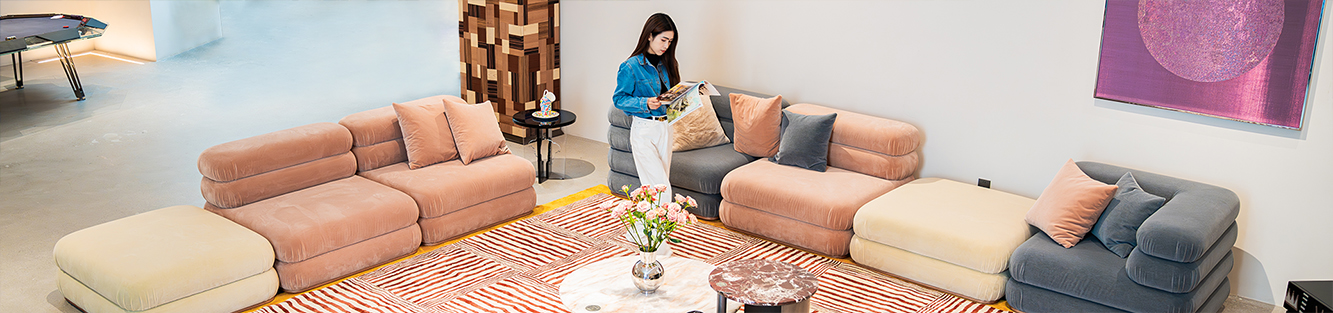
A healthier sofa could start with the bones of a solid wood or metal base connected to supportive cushions made from low-odor, tested foams, wrapped in tested fabrics held together with robust stitching. The fabric should feel soft but not smell of harsh chemical treatments. Modular sofa designs for large living rooms are also healthy as they can be changed up to suit the family as needed. Choosing healthy materials is still key.
Beds and Bedroom Furniture
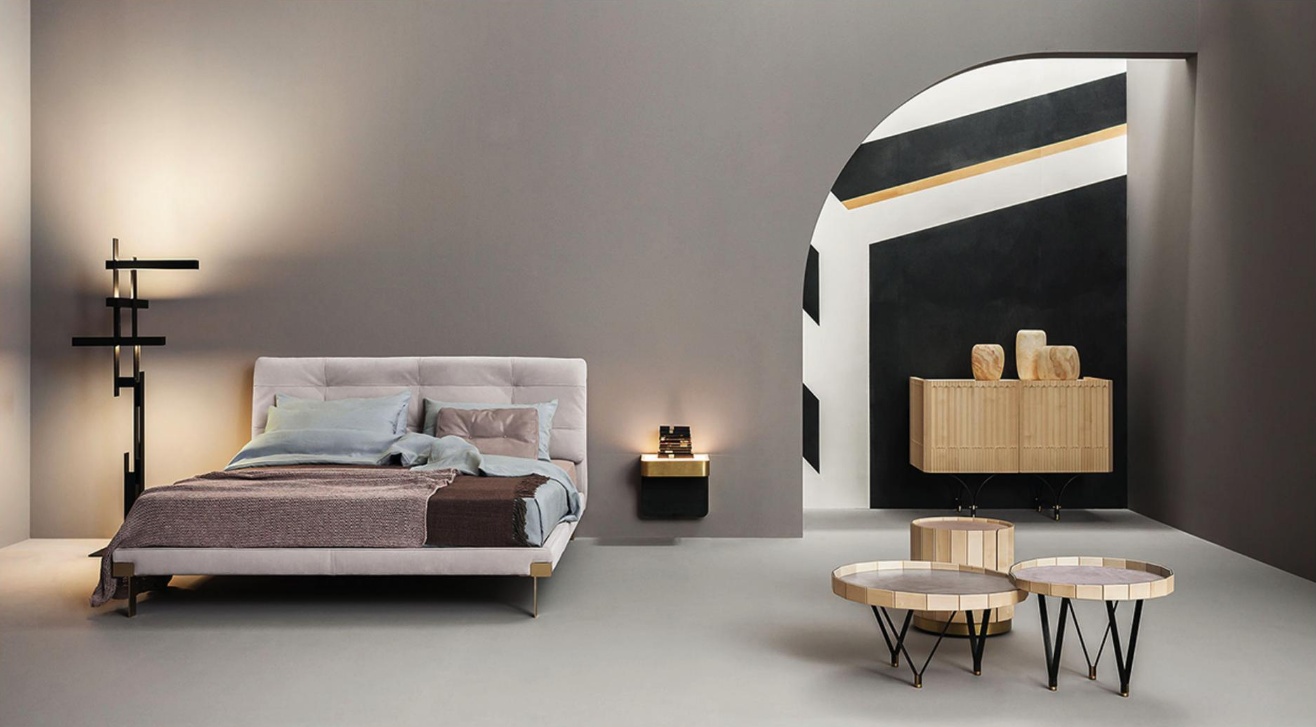
Low-emission wood, tested fabrics and mild surface finishes are the safest materials for bedroom furniture. A very wide headboard for a headboard bed can be very comfortable and give much value to design. But also check the material of the headboard, because it is in close proximity to your face and skin. Wardrobes and nightstands consist of many panels, which in total can have a large surface area. Therefore, look for certified panels and sealed edges.
Dining Tables and Chairs
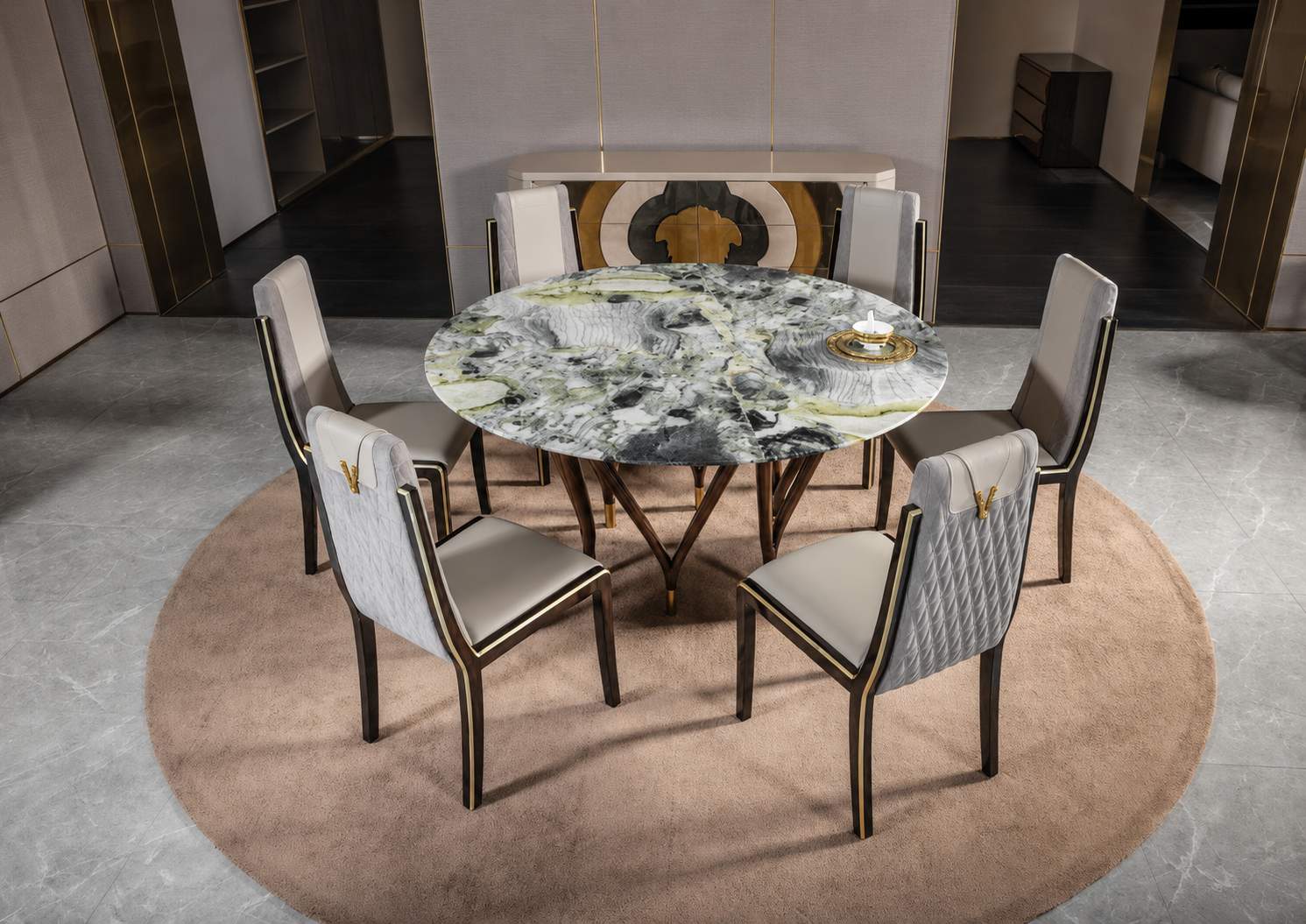
Dining furniture is exposed to spills, heat, impact and constant cleaning. It can be made of Solid wood, Stone, Glass, Metal or even well finished veneer. Rounded corners are particularly useful for families with children, as well as narrow dining areas. A finish that resists stains but does not have a strong odor is more practical than a delicate finish that needs constant protection.
Cabinets and Whole-House Furniture
The selection of materials for whole-house furniture packages should start early on in the planning process for individual apartments. While a single apartment may contain items such as wardrobes, TV cabinets, shoe cabinets as well as dining furniture, beds, nightstands, sofas and loose chairs, sourced from completely different suppliers, all items can vary in terms of color, size, surface finish and emissions. By planning the sourcing process for individual items, it is easier to ensure a uniform look and also to specify materials in a consistent manner.
Juhaus as a Furniture Supplier
juhaus is a Foshan based furniture supplier. As well as designing and supplying furniture for entire houses, they also source products for their clients and manage entire projects from apartment complexes to individual villas and homes. We can help match any product, help coordinate with other products to ensure that everything matches, find the perfect factory for your needs, check the quality for you, arrange delivery, arrange and supervise installation and assist after sales.
Foshan is a very deep furniture supply chain city. The styles range from the minimalist and modern interior design to the light luxury home furnishing, the American style furniture, and even the latest design of Chinese homes. We have clients who care about the healthy materials used in the furniture and it’s great to have a sourcing background such as this where they can discuss the materials before the product goes into production or even before they purchase the item. By the time the item arrives, they can already tell whether the materials are healthy for them or not.
At Juhaus we design and supply a wide variety of quality sofas, dining tables, beds, living room furniture and bedroom furniture. We also offer whole-house furniture packages. Additionally, we have a dedicated design and stylist service who can help you choose furniture by selecting the perfect color, ensuring the correct proportions, choosing the right materials and working out the very best way to use the furniture in the room. This service is particularly useful for villa owners, apartment buyers, interior designers, architects and all overseas property developers and purchasers and can help to bridge the big gap between how a piece of furniture looks in a photograph and how it really looks in a real home.
استنتاج
Healthy furniture materials are selected on the basis of evidence, not advertising slogans. Healthy materials include solid wood, bamboo, rattan, cane, metal, glass, stone, natural fabrics and good quality engineered wood, with information on glue, finish, fabric treatment and emissions. The healthiest solution is to combine different materials in a healthy way, for example: a solid core with low-VOC surface finishes, tested upholstering, sealed panels and a supplier who provides detailed information on the materials used.
When purchasing a single sofa or an entire house of furniture, the relevant question is not, “Is this material natural?” but rather, “Is this material safe, durable, appropriate for the room, and clearly specified?” Asking this question will result in better furniture and a healthier home.
الأسئلة الشائعة
What are the healthiest furniture materials?
Solid wood with a low-VOC finish is one of the healthiest furniture materials for tables, chairs, and bed frames. Bamboo, rattan, cane, metal, glass, stone, tested natural fabrics, and certified engineered wood can also be healthy choices when the supplier provides clear material information.
How can buyers choose low-VOC furniture?
Choose low-VOC furniture by checking the finish, glue, fabric, foam, and panel information before purchase. Water-based finishes, low-emission boards, tested upholstery fabrics, and low-odor foam are better choices for bedrooms, living rooms, and children’s spaces.
Are rattan and bamboo good eco-friendly furniture materials?
Rattan & bamboo are often thought of as good eco-friendly options for your furniture due to them being renewable and extremely light weight. Using these materials best for accent chairs, cabinet fronts, headboards & other decorative items. As with any natural material – making sure the material has been properly dried, contains mold resistant treated, and has been coated with low-VOC paints & coatings.
What furniture materials are best for bedrooms?
For bedrooms choose low-emission solid wood or panels that have been certified, tested fabric for headboards, stable bed frames, sealed wardrobe boards and gentle finishes. The vast amount of time we spend asleep in our bedrooms means that furniture in this room should prioritize material safety over aesthetic appeal.


