

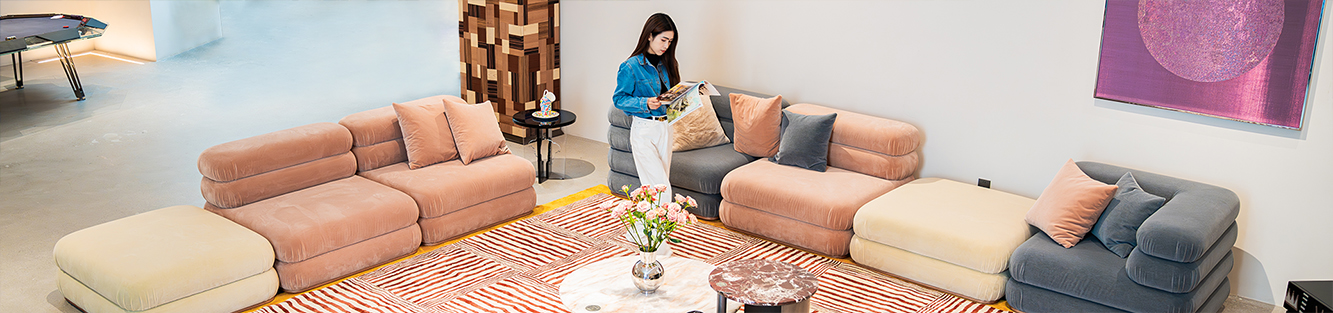
Why Global Buyers Are Going Direct to Chinese Furniture Factories
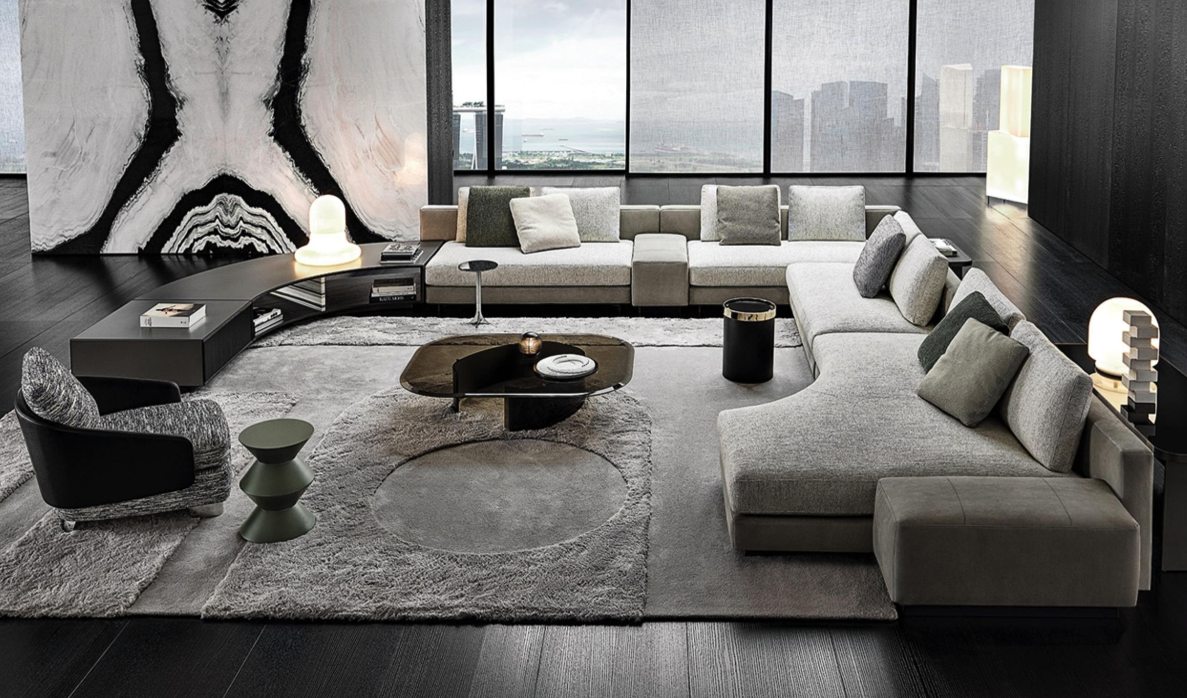
Overseas retailers, designers, developers, and homeowners no longer need many layers of middlemen to reach the maker. Digital tools, technical drawings, video checks, and stronger export help have made direct furniture buying from China much easier and more useful.
The draw is not only a lower price quote. Buyers look for wide product choices, custom sizes, full-home packages that match, clear quality steps, and one main contact from design to delivery. Chinese furniture factories linked to strong hubs like Foshan can offer this mix when the process is handled with care.
A Shorter Supply Chain Creates Better Buying Decisions
Factory-direct furniture buying cuts out extra steps. Yet “direct” does not always mean one plant makes every piece. Sofa, dining-table, bed, and cabinet makers often use different materials, machines, and teams. For a full-home order, the smart path is direct access to specialist factories while one team handles specs, checks, grouping, and shipping.
This shorter chain helps buyers see options clearly. They can talk about frames, finishes, and packing without waiting for messages to pass through several companies. The result is faster choices and fewer surprises later.
Price Transparency Matters More Than the Lowest Price
A normal supply chain may run from maker to trading firm to importer to wholesaler to retailer. Each step adds cost and markup. Working closer to Chinese furniture makers gives buyers a clearer picture of what drives the price. Frame wood, veneer grade, foam density, fabric, hardware, finish, packing, and order size all play a part.
That clear view lets buyers tweak the product instead of asking for a flat cut. A hotel buyer may keep the chair shape but switch the fabric. A developer may fix bed sizes across an apartment job. Retailers can customize various products in bulk in a single order..
|
Buying route |
Main benefit |
Main risk |
|
Multi-layer distribution |
Easy local buying |
Higher markup, less custom work |
|
Single factory |
Direct technical talk |
Narrow product range |
|
Managed factory network |
Wider choice, joined service |
Needs strong project control |
The table shows the trade-offs. Buyers who pick a managed network gain range and service, but they must keep tight control over the whole job.
China Offers Depth Across Products, Materials, and Styles
Price alone does not explain the pull of furniture suppliers in China. A bigger plus is the thick web of skills and support firms. Upholstery, metal work, stone, timber, glass, hardware, fabrics, packing, and logistics often sit in the same area. This depth lets buyers build complete looks without hunting across many countries.
Product Variety Supports Different Market Positions
Overseas buyers can source living-room, dining-room, and bedroom pieces for simple, mixed, modern, and soft-luxury rooms. Juhaus offers upholstered sofas, dining tables, beds, and matched room sets. Details include rattan touches, rounded table edges, geometric upholstered headboards, and sofas that mix soft fill with firm foam.
A villa may need a sectional sofa, side chairs, small tables, dining pieces, beds, and nightstands that share one material theme. A retailer may need fewer types but more finish choices. A serviced-apartment group may want repeatable room packages that make later orders simple.
This range helps each buyer match their market. The same factories can shift from bold showroom looks to quiet rental packages without starting from zero.
Custom Furniture Is Becoming a Standard Request
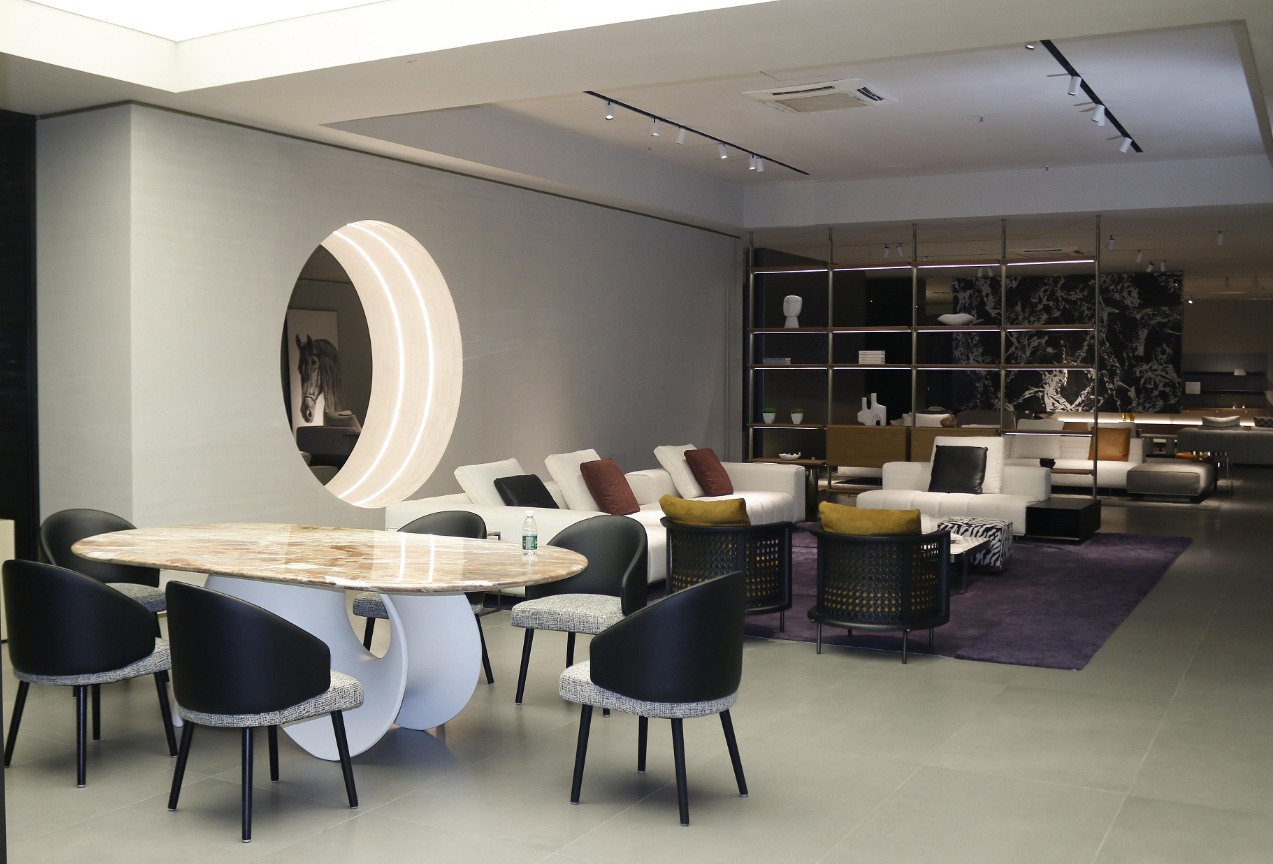
A custom furniture maker in China can change sizes, fabrics, colors, finishes, fill, leg styles, or some structure points. That flexibility counts when a showroom piece will not fit an apartment, a narrow lift, or a room with fixed wall panels.
A clear brief should include:
- Floor plans, room sizes, and ceiling heights
- Door, stair, and lift access sizes
- Reference photos and preferred materials
- Quantity, budget range, destination, and delivery date
- Local fire, label, or material rules
When these details arrive early, the factory can flag limits and suggest safe options before cutting starts. Buyers avoid costly redraws and keep the timeline steady.
Whole-Home Furniture Sourcing Saves Coordination Time
Buying furniture straight from China links many choices. Sofa fabric shapes the rug palette. Dining-chair height must match the table. Bedside tables need to line up with the mattress and headboard. Loose pieces must also fit lighting, wall finishes, and walk paths.
One Plan Keeps Different Factories Aligned
Whole-home furniture solutions put these choices into one schedule. A designer or project lead can turn a floor plan into a room-by-room list, then match products across factories. Juhaus offers one-to-one designer and stylist support, plus sourcing, production follow-up, inspection, logistics, and install help.
The real gain is fewer gaps between design idea and delivered goods. Instead of separate quotes that do not talk to each other, buyers review one furniture schedule. It shows room, item, size, material, finish, quantity, and order status. Everyone works from the same sheet.
This single plan also cuts email chains. When a fabric delay hits one plant, the team can adjust the related pieces at once. The whole order stays in step.
Quality Control Has Moved Closer to Production
Direct sourcing does not erase risk. It simply moves where the risk is managed. Furniture can look fine in a photo yet hide weak joints, uneven finish, poor foam bounce-back, shaky hardware, or packing that will not survive sea travel.
Inspection Should Follow the Order, Not Just the Final Product
|
Stage |
Main checks |
|
Before production |
Drawings, materials, colors, samples, sizes |
|
During production |
Frames, joints, fill, stitching, surface prep |
|
Before packing |
Look, function, count, labels, measures |
|
Container loading |
Protective packing, carton state, item count |
Photo and video records help, but approved specs stay the main guide. Buyers should confirm how damage, color shifts, missing hardware, or late changes will be handled. Juhaus materials describe logistics and after-sales follow-up when factory or shipping problems appear.
Strong inspection steps give buyers early warning. A problem caught at the frame stage costs far less than one found after the container arrives.
Export Experience Reduces Avoidable Delays

Furniture is bulky, easy to damage, and costly to move twice. A low unit price loses its edge when cartons waste container space or fragile surfaces lack protection. Seasoned China home furniture suppliers plan packing around each item. They use reinforced corners, labeled hardware packs, and clear assembly notes.
Buyers Should Confirm Responsibility Before Paying a Deposit
The quote should list trade terms, lead time, packing method, payment stages, inspection plans, and who handles shipping papers. Mixed orders also need grouping. Goods from several factories must reach one loading point, pass final checks, and load in a sensible order.
Useful questions include:
- Who approves drawings and samples?
- Who signs the inspection report?
- Can spare parts ship separately?
- Who manages grouping and loading?
- What details come for install?
Clear answers protect both sides. They turn a complex multi-factory job into a predictable flow.
How to Choose a Reliable Chinese Furniture Supplier
The best furniture makers in China are not always the biggest or the cheapest. The right partner must fit the category, quality level, order size, and project complexity.
Evidence Is More Useful Than Promises
Ask for specs, factory videos, sample steps, packing details, inspection records, and relevant project examples. Case portfolios should show complete spaces, not only catalog shots. Juhaus presents residential work across high-ceiling villas, large apartments, luxury homes, mountain villas, and modern interiors.
Talk also matters. A solid supplier will flag an impractical size, explain a material limit, or suggest safer packing before production begins. This early honesty saves time and trust.
About Juhaus
Juhaus, formerly VN CASA, is a Foshan-based mid-to-high-end furniture supplier for home and commercial projects. The business model combines direct connections to specialized factories along with design, product match, quality check, logistics, installation, and after-sales services.
The firm states that it has over 160 partner factories, 20 years of experience in exports, a workforce of 400 people, presence in over 100 countries and completion of over 100,000 projects. The primary areas served by Juhaus include living rooms, dining rooms and master bedrooms in various styles.
This combination of direct access to factories and total service allows the international customers to consider China sourcing as a controlled process.
Conclusion
More overseas buyers choose Chinese furniture factories because direct sourcing offers more than factory pricing. It brings wider choice, practical custom work, closer production control, and joined whole-home furniture solutions.
Success in this process can be achieved by following the steps of setting up a brief, comparing specs, sample approval, production inspection, planning export packaging, and assigning logistics and aftersales responsibilities. Under this process, buying furniture from China turns into a managed purchasing program and not just an inexpensive one.
Questions fréquentes
Is It Less Expensive to Buy Furniture from China Directly?
It may well be, but it depends on the scope of the order – multi-room, wholesale, or projects. The final price will depend not only on the price of furniture in the factory, but also on the specifics, volume, transportation, customs, inspection, and local delivery.
How Can You Ensure That Chinese Furniture Factory Is Real?
Ask for business information, factory video, samples of products, materials specifications, inspection process, packing examples, and references of completed projects. You can also consider a third party inspection prior to shipment.
Can Chinese Furniture Factory Accept Custom Orders of Small Quantity?
Some factories are open to small custom orders, while others have minimum orders by design, fabrics, finishes, or colors. Make sure you know what the MOQ is and how much it will cost you to get your sample before giving approval to the drawings.
What Information Should Be Sent to Request the Quote?
Send floor plans, dimensions, amounts, design inspiration, materials desired, destination, desired delivery date, and standards necessary. The more detailed the information, the better the quote will be.


