

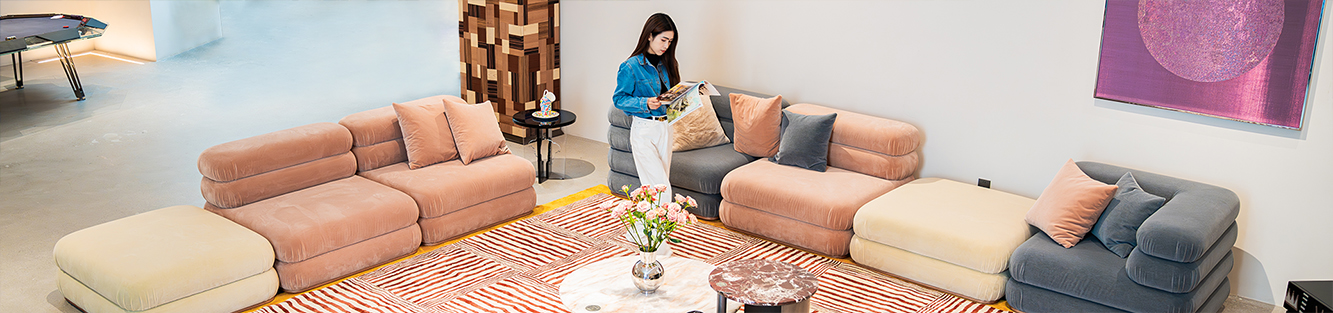
Living Room Furniture Layout Guide How to Arrange Sofas, Coffee Tables, and TV Units for Small and Large Spaces
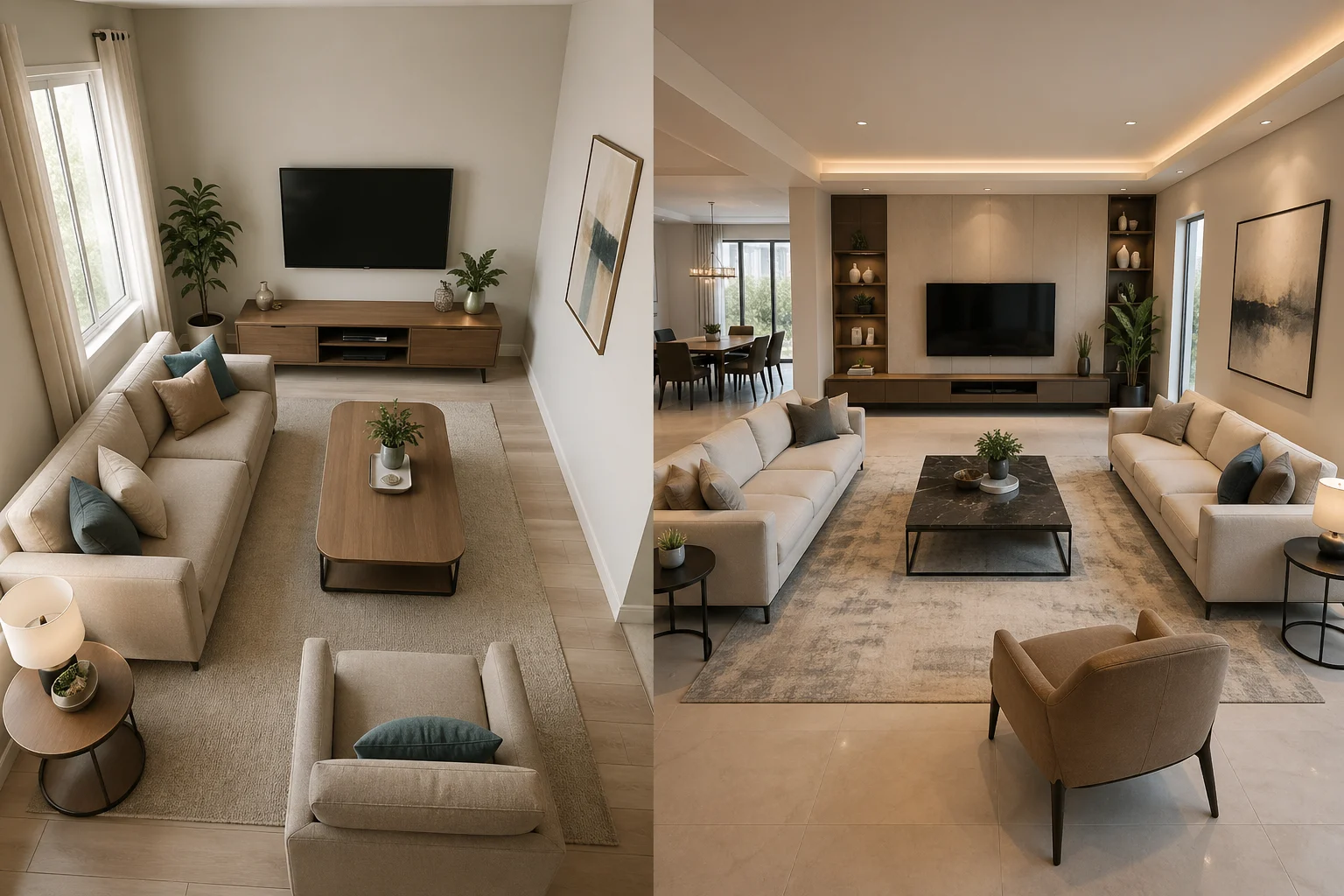
The setup of living room furniture greatly affects how cozy, useful, and even-looking a room seems. A smart plan not only sets how folks move around the area. It also shapes how they connect inside it. This holds true in a tiny flat or a big open home. You must mix usefulness with nice looks. Main parts like sofa setup, coffee table spots, and TV unit spots form the base for good comfort and style in any living room plan.
How Can Sofa Arrangement Define the Functionality of a Living Room?
Before we look at exact setups, remember that sofas serve as the key center. Other furniture and walking paths turn around them.
To bridge the introduction to this section, let’s first explore how sofas shape the room’s main purpose.
Key Principles of Sofa Placement
Sofas usually set the chief direction of a living room. You need to think about building highlights like fireplaces, windows, or entertainment units. This boosts smooth sight lines. Placement also has to keep walkways clear. That way, moving through the space stays easy and smooth. If sofas face one another, they make close talk spots. Or, if they point to a TV or window, they stress rest and watch ease.
Layout Strategies for Small vs. Large Spaces
In tight rooms, sofa setup needs smart use without losing ease. Small loveseats or slim sectionals give the most seats. They also keep floor areas free. You can push furniture a bit off walls. This lets light move behind them. As a result, small spots feel bigger. On the other hand, big living rooms gain from several sofas or flexible systems. These split the area into clear action zones. Think talk spots, book nooks, or screen areas. You must keep a good match between sofa size and room scale. This holds the look together. It also boosts daily use.
How Should Coffee Tables Be Positioned for Balance and Accessibility?
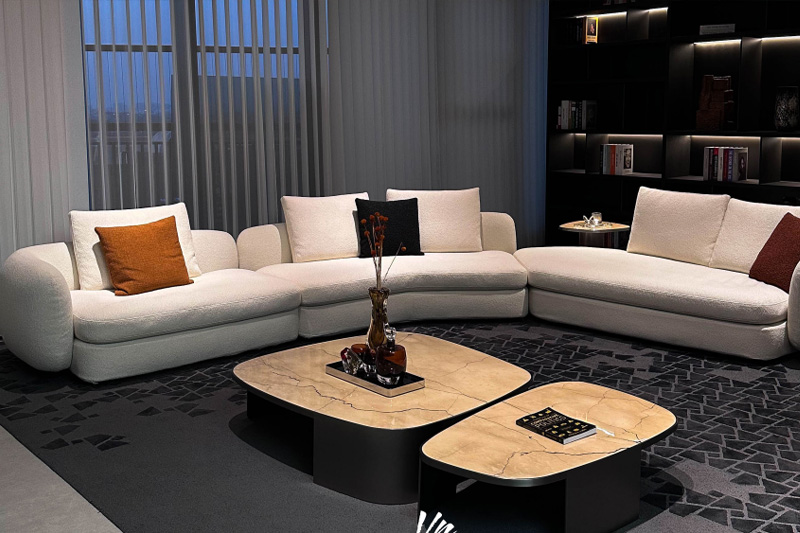
After sofa spots set the main plan, coffee tables add real help and even looks.
Now that we’ve covered sofas, let’s turn to how coffee tables fit in for better reach and steadiness.
The Relationship Between Sofa and Coffee Table Placement
The gap from sofa sides to the coffee table should stay about 16 to 18 inches. This gives enough space for legs. It also keeps tops close for drinks or small items. The table height should match the sofa seat level. That makes it simple to put things down or rest arms. In tiny living rooms, sets of small tables or thin long shapes offer choices. They won’t crowd the limited floor.
Enhancing Aesthetic Flow with Coffee Tables
A table in the middle boosts evenness in stiff plans where steadiness matters most. But uneven setups, like shifted spots with end tables, can add fresh energy to modern rooms. The pick of materials changes how space looks too. Glass tops keep things open by bouncing light. Wood brings cozy feel. Metal edges give a clean look for simple styles. Each pick shapes if the whole setup feels linked or wide.
What Are Effective Ways to Position TV Units for Comfort and Visibility?
With seats and main tables in place, adding a TV unit needs thought on view paths and room focus.
Building on coffee table ideas, we now examine TV unit spots to ensure clear sight and ease.
Determining the Focal Point of the Room
You decide if the TV is the top focus or pairs with something else like a fireplace. This guides all later furniture choices. Line up seat angles to cut glare from sun light. Also, make sure clear views from many spots in the room.
Optimal Viewing Distances and Heights
For best ease, the watch distance should fit the screen size. About 1.5 to 2 times its side length gives sharp sight without eye hurt. Mount height should match eye level when sitting. Viewers keep normal pose. They won’t crane necks up or down too much.
Integrating Storage and Décor Around TV Units
TV units can act as style highlights. Pair them with shelf setups that even out weight on walls. Hide wires for a neat look line. Built-in spots hold media items out of sight. This way, tech blends with decor. It doesn’t take over.
How Can Furniture Placement Enhance Spatial Flow in Small and Large Living Rooms?
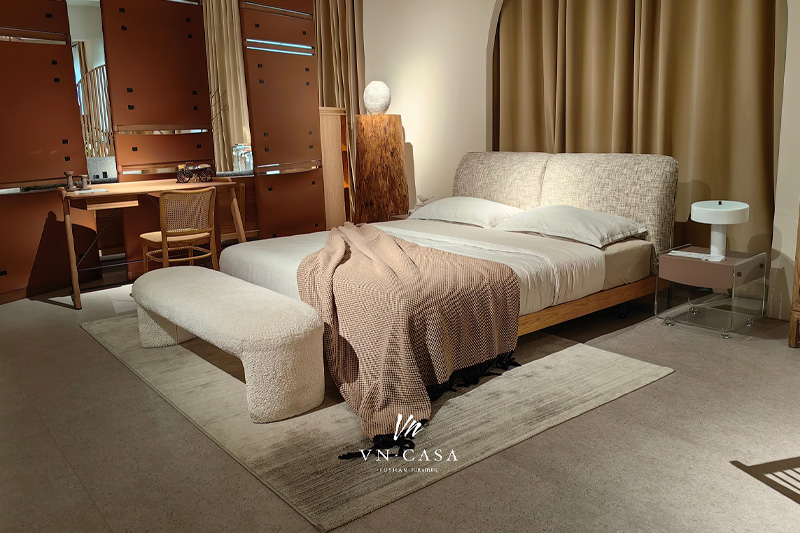
Furniture spots right away change how roomy or joined a living area feels. This works no matter the size.
After TV placement, let’s see how overall furniture spots improve movement in varied room sizes.
Creating Visual Continuity in Small Spaces
In small settings, items that do many jobs help a lot. Think ottomans with secret storage. They cut mess and add seats when needed. Push pieces a little from walls. This adds depth feel that makes tight spots seem wider. No big changes required.
Zoning Techniques for Larger Living Rooms
Big rooms do well with zone plans. These mark clear uses in one big area. Rugs outline talk groups. Hanging lights split eating parts. Stand lamps light book spots. All this makes aimed splits without breaking the whole. Use the same colors across zones for link. Even if feels or stuff differ a bit.
What Role Do Lighting and Accessories Play in Complementing Furniture Layouts?
Light plans and small items finish a good setup. They boost feel and use at different times.
To round out furniture talks, consider how lights and extras support the main layout.
Layered Lighting Strategies for Functionality and Mood
Mix main lights from ceilings, work lights from read lamps, and spot lights on art. This builds layers for needs. Stand lamps near sofas aid night reading. Built-in ceiling lights highlight building parts like small rooms or rough walls. They add to the space feel.
Accessory Placement to Reinforce Layout Harmony
Small items should follow view lines from big furniture. This keeps order. End tables stay easy to reach but not in the way of walks. Decor like pots, statues, or wall art should fit sizes in sight areas tied to sofas or side boards. This holds steadiness all through the room.
Why Is Foshan Sincere Building Materials Co., Ltd. a Reliable Partner for Furniture Solutions?
A good living room design needs smart plans plus strong items that match the goal.
With layout tips in mind, partnering with solid makers like Foshan Sincere Building Materials Co., Ltd. ensures quality pieces.
Company Overview and Commitment to Quality
Foshan Sincere Building Materials Co., Ltd. focuses on making top home furniture. This includes sofas, coffee tables, shelf systems, and storage units. They use careful work and tough materials for long use in many home styles.
Advantages of Partnering with Foshan Sincere
The firm gives change options for different space types. From small flats needing flexible parts to big homes wanting key items of fine size. Strict checks make sure each item hits high strength levels. They keep look care too. This suits pros like room designers looking for steady supply ties based on top work.
Conclusion
Good living room plans rely on fitting furniture spots. They mix use with style goals in all sizes. Smart links among sofas, coffee tables, and TV units boost daily help. They keep a mix of open feel and close warmth in any spot. Teaming with sure makers like Foshan Sincere Building Materials Co., Ltd. gives smart-made items. These lift both ease and look polish in today’s home areas.
FAQs
How far should a sofa be placed from a TV unit?
The best gap depends on screen size. Often, 1.5–2 times the side length gives comfy watch without eye tire.
What is an ideal coffee table size relative to a sofa?
A coffee table ought to be near two-thirds the sofa length. This keeps fit balance and reach from all seats.
Can large furniture pieces work in small living rooms?
Yes. Pick fewer but right-sized items. Use ones on legs or light colors. This keeps an open look even with big parts.


