

What Does Furniture QC Really Check? A Buyer’s Guide to Sofa, Bed and Dining Table Quality Inspection

High-end furniture QC inspection helps buyers know what to look at before shipment. For people who buy furniture from other countries, quality often decides if a project goes well or if costly problems show up later. A sofa can look fine in photos. Yet weak frames, uneven stitches, rough finishes, or shaky parts may appear after it arrives. The same issues can happen with beds, dining tables, and other fine furniture.
An efficient inspection procedure can help customers make sure the goods meet the requirements and are not delivered without problems. This procedure will take into account raw material selection, construction, function, packaging, and preparing for delivery. Retailers, interior designers, developers, and furniture importers receive an insight into the quality standards which help choose reliable suppliers.
What Is Furniture QC Inspection?
Furniture QC inspection is a step-by-step check. It shows if furniture meets the quality levels that both sides agreed on before delivery. A full check does not stop at looks. It reviews the whole making process. This includes materials, structure, size, safety, and how the finished piece looks.
A solid furniture quality control process usually has three main stages.
Incoming Material Inspection
Quality control starts before production begins. The factory looks at whether the raw materials meet the needs. Checks cover wood quality and moisture level, the state of leather or fabric, foam density and bounce-back, hardware strength, and surface coating materials.
Solid wood furniture needs special care. Too much moisture can lead to cracks, warping, or weak spots after the goods travel abroad.
Production Process Inspection
During making, QC teams watch key steps. These include frame building, welding or joint links, upholstery work, painting and polishing, and hardware fitting. Early checks let factories fix problems before the furniture reaches the last stage.
Final Pre-Shipment Inspection
Before containers load, furniture buyers often ask for a final check. This stage reviews several areas.
| Inspection Area | Main Items Checked |
|---|---|
| Appearance | Scratches, color difference, stains, surface defects |
| Structure | Stability, strength, connection points |
| Function | Opening, closing, sitting comfort, movement |
| Size | Dimensions, tolerances, assembly accuracy |
| Packaging | Protection, labels, export requirements |
A complete pre-shipment furniture inspection helps buyers get products that match the approved samples and specs.
Furniture Quality Inspection Checklist: 10 Areas Buyers Should Focus On

Different furniture types have their own quality needs. Yet most professional buyers watch the same core points.
Material Quality Control
Materials shape how long furniture lasts and how customers feel when they use it. During inspection, buyers should look at whether wood shows cracks, warping, or too much moisture. They check if fabrics keep even color and texture. Leather surfaces should be free from big flaws. Foam should give proper support and spring back well. High-end furniture relies on good materials joined with skilled work.
Dimension and Specification Checking
Wrong sizes rank among the most common problems in overseas furniture projects. QC teams measure the products, check material thickness, look at install spots, and confirm that different parts match. A gap of only a few centimeters can throw off the whole room layout. This matters a lot in villa projects and custom homes.
Structural Strength Testing
Furniture must look nice and stay steady for years. Structural checks usually cover frame strength, joint quality, load-bearing ability, and overall balance. A dining table should stay firm when weight presses on different parts of the top. A sofa frame should handle daily use without strange sounds.
Sofa Quality Inspection Standards for Furniture Buyers
Sofas see heavy daily use. That makes sofa quality inspection a key part of furniture QC. A careful sofa check usually focuses on three areas.
Sofa Frame Inspection
The inner frame decides how long a sofa lasts. Inspectors look at wood frame quality, joint links, overall firmness, and frame alignment. A strong frame cuts down on warping and keeps comfort high over time.
Upholstery Quality Control
The outer cover shows the skill level of the sofa. Key points include even stitching, fabric tension, leather surface state, seam lines, and cushion shape. Uneven sew lines or loose covers can hurt both looks and lasting strength.
Foam Density and Comfort Testing
Comfort is hard to judge by sight alone. Sofa QC should include foam density checks, cushion recovery tests, and seat firmness reviews. A well-made sofa keeps its feel after many uses instead of going soft too soon.
Bed Quality Inspection Standards Before Importing
Beds need strict checks because they hold body weight every day and affect safety.
Bed Frame Quality Inspection
A bed frame check usually covers structural stability, connection strength, load capacity, and assembly accuracy. For upholstered beds, inspectors also look at padding thickness, fabric quality, and headboard build.
Common Bed Quality Problems
Furniture buyers often watch for these issues.
| Problem | Possible Cause |
|---|---|
| Bed shaking | Weak joints or incorrect assembly |
| Uneven surface | Poor frame adjustment |
| Fabric wrinkles | Incorrect upholstery process |
| Noise during use | Loose internal connections |
A detailed bed quality inspection can stop customer complaints after the bed is set up.
Dining Table Quality Inspection Checklist
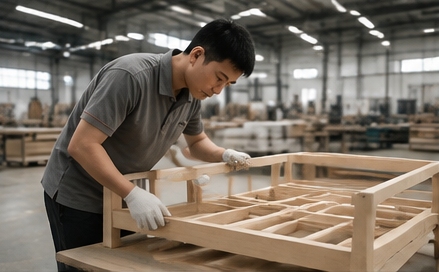
Dining tables mix useful needs with visual craft. Their quality rests on material choice and making accuracy.
Solid Wood Dining Table Inspection
For solid wood dining tables, buyers should check wood moisture content, surface flatness, natural wood flaws, color evenness, and finishing quality. Proper wood treatment helps stop cracks and warping during long overseas trips.
Table Structure and Stability Test
Inspectors review leg strength, connection points, tabletop balance, and weight resistance. A top-level dining table should stay steady in daily use while keeping a clean look.
What Quality Standards Should Furniture Suppliers Meet?
Picking a furniture supplier takes more than price talks. Buyers should see if the supplier runs a full quality management system. Important supplier strengths include a skilled QC team, a production watch system, clear inspection records, export know-how, solid packing standards, and after-sales help.
For overseas projects, suppliers that handle design, production, inspection, logistics, and install together can cut communication gaps and raise project success rates.
Common Furniture Defects Found During QC Inspection
Even skilled makers need tight checks because furniture has many small details. Common flaws include:
Sofa Defects
-
Loose stitching
-
Uneven cushions
-
Frame noise
-
Fabric damage
Bed Defects
-
Unstable structure
-
Incorrect size
-
Poor upholstery finishing
Dining Table Defects
-
Uneven tabletop
-
Surface scratches
-
Weak joints
-
Color inconsistency
Spotting these issues before shipment costs far less than fixing them after delivery.
About Juhaus (Formerly VN CASA): A Professional High-End Furniture Supplier
Juhaus (formerly VN CASA) is a furniture supplier based in Foshan. Foshan ranks among the world’s main home furnishing making centers. The company offers whole-home furniture solutions and building material sourcing for international residential projects.
With wide export experience, a skilled project team, and ties to many furniture makers, Juhaus helps global clients handle furniture sourcing with less trouble. Its services cover design support, product choice, production coordination, quality inspection, logistics, and install help.
The company has backed residential and commercial projects in more than 100 countries. These include luxury villas, modern apartments, and custom home projects. Its case work spans different interior styles and international living needs. This helps clients solve issues tied to design links, supplier handling, and quality control.
By joining factory resources, careful inspection steps, and project management skill, Juhaus offers a practical sourcing path for buyers who need steady furniture quality and dependable delivery.
Conclusion
Furniture quality control is not just a last check. It is a full process that starts with material choice and runs through production, testing, packing, and shipment. For furniture buyers, knowing sofa quality inspection, bed quality inspection, and dining table quality inspection standards helps cut buying risks and pick better suppliers.
A professional furniture supplier with strong QC experience can help international buyers reach steady quality, smoother project flow, and higher customer satisfaction.
FAQs
What does furniture QC inspection include?
Furniture Quality Control inspection includes material inspection, structure test, size inspection, appearance inspection, functionality test, and packing inspection before shipping.
Why is sofa quality inspection crucial for buyers?
Sofa quality inspection is useful in identifying defects like loose frame, bad stitching, foam density problem, and upholstery issues before the products get to the customers.
How do buyers perform bed quality inspection?
Generally, buyers consider factors like stability of bed frame, connection test, size, upholstery quality, and weight capacity when conducting a bed quality inspection.
What needs to be inspected during dining table quality inspection?
Inspection of dining table should include factors like wood quality, surface finish, flatness of the tabletop, leg stability, and structural strength.
How can international buyers reduce furniture quality problems?
Working with suppliers that have professional furniture quality control systems, production inspections, and export experience can greatly lower quality risks.


