

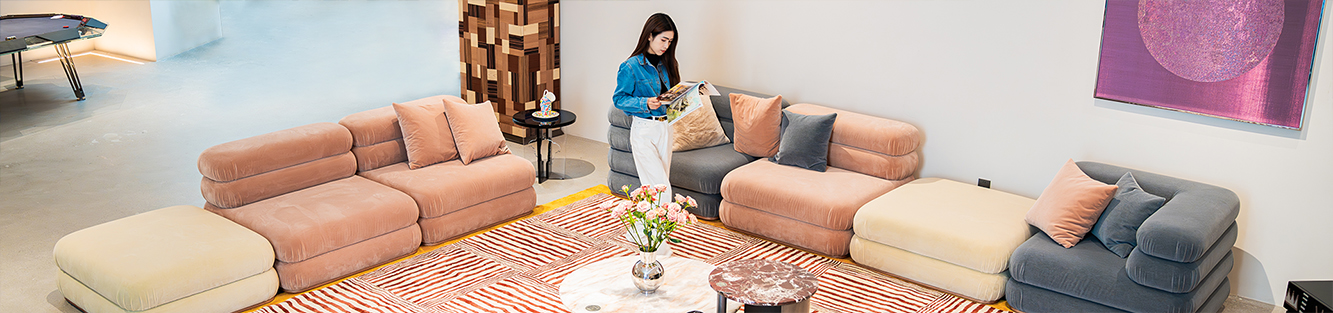
How to Design a Modern Home with Wabi-Sabi Furniture Style A Complete Interior Guide
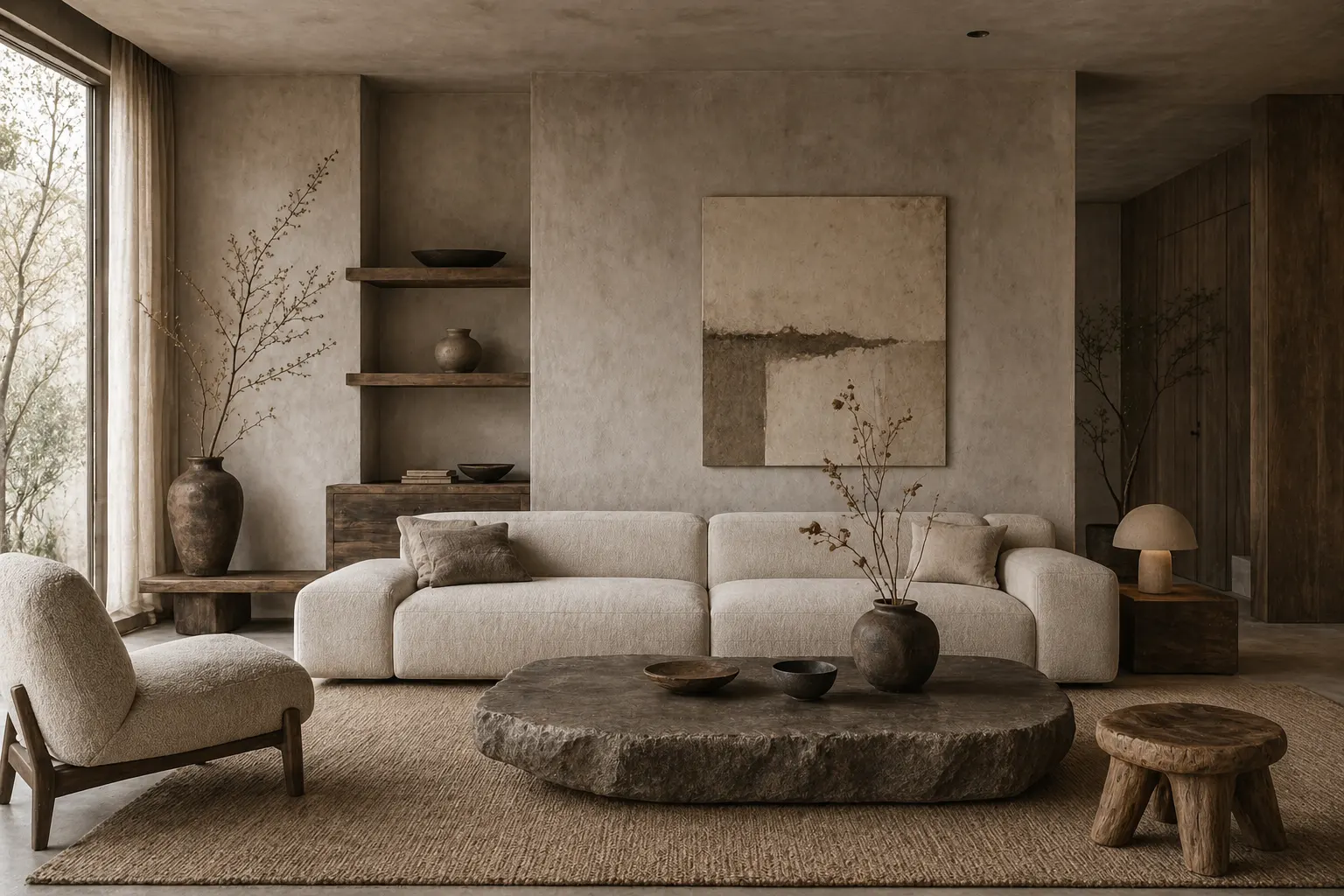
The idea of wabi-sabi honors the charm in flaws, short-lived things, and realness. It comes from Japanese tastes. It pushes people to value the usual flow of growth and wear. This thought fits well with today’s basic way of living. In a place full of factory-made items and screen-based flawlessness, wabi-sabi gives a fresh pushback. It stresses ease, touchable stuff, and heartfelt coziness.
This style matches perfectly with the rules of current simple designs. There, shape follows use, and mess gives way to peace. More folks like rough looks and natural touches now. Things like plain wood, rock, and handmade cloths show a shared wish to link back with basic items and skilled work. Homeowners want quiet in their rooms. So, wabi-sabi furniture stands out in today’s home setups.
What Defines the Wabi-Sabi Furniture Style?
To grasp how wabi-sabi furniture changes home looks, we need to look at its main ideas and choices of stuff. These shape its lasting draw.
Core Principles of Wabi-Sabi Aesthetics
Wabi-sabi centers on plainness, realness, and nature. Each furniture item shows a simple truth in its build. It stays away from too much decoration or fake flawlessness. Natural feels, like bumpy wood or lumpy pots, show unique traits through small flaws. These flaws share tales of skilled making.
Soft colors lead in this style’s range. Think pale whites, cozy grays, and soil-like browns. They make a match between held-back sights and deep feelings. Use stays key. Every piece has a job. At the same time, it brings a feel of quiet thought. In the end, the furniture goes beyond just work. It turns into touching art in the house.
Materials and Textures That Embody Wabi-Sabi
Stuff matters a lot in showing wabi-sabi’s tie to the outdoors. Makers pick plain wood with clear knots. They choose cloth like linen that gets softer with use. Clay pots with bumpy shines work too. Unshined rock faces root rooms in touchable realness. These items grow old nicely. They gain a shine from age, not lose worth. This stands for life’s quick pass.
Touch is basic here. Rough ends call for a feel. Dull tops spread light softly over the area. Such feel-based parts build awareness. They push folks to take it slow and enjoy what’s around. That’s a main sign of wabi-sabi life.
How Can Wabi-Sabi Furniture Complement Modern Home Design?
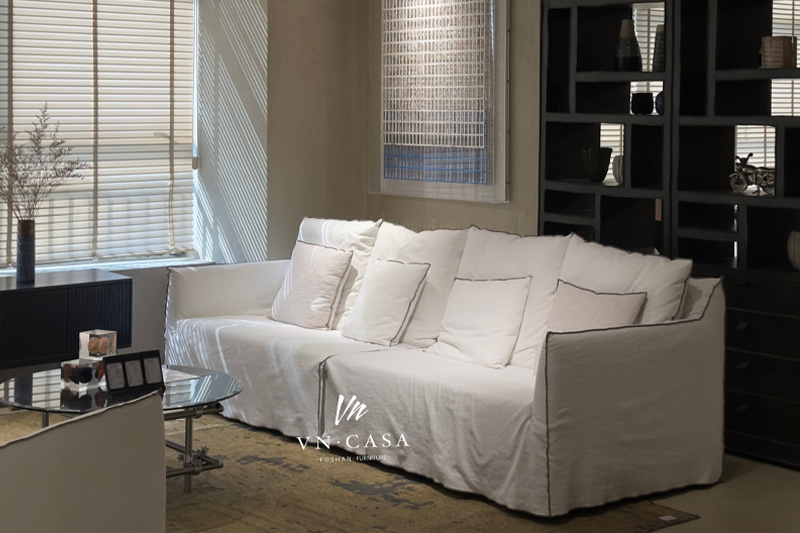
To mix wabi-sabi into today’s home setups, we blend rough appeal with clear modern touches. This needs careful planning.
Harmonizing Rustic and Contemporary Elements
Today’s building styles often have straight lines and wide-open plans. These make a great base for handmade items with flaws. The mix of smooth faces and bumpy stuff makes a sight pull that stays even. It feels steady, not wild. Uneven shapes, a big part of Japanese tastes, add personality. Yet, they don’t mess up the room’s flow.
Building layers matters a lot. Pair cloth covers with old wood. Add pot highlights. This brings layers while keeping peace. The chat between rough warmth and simple sharpness leads to rooms that feel solid and polished.
Color Palettes That Reflect Natural Beauty
Picking colors boosts the quiet heart of wabi-sabi rooms. Soil-based plains like sand, gray-brown, gray, and light white lead the choices. They call up the soft grace of the outdoors. Small changes from basic stuff, like pot reds or plant greens, add quiet wealth. They don’t take over the room’s steady beat. Fake shine or fancy ends get skipped on purpose. This keeps realness and soft sights all through the space.
How to Choose the Right Wabi-Sabi Furniture for Each Room?
To use wabi-sabi ideas in various rooms, we keep things tied together. At the same time, each area shows its own feel through stuff and size.
Living Room: Creating a Calm Gathering Space
In the living room, ease meets plain ways. Low sofas covered in linen or cotton let air flow. A reused wood table for coffee shows clear wood lines. It acts as the main spot and chat starter. It reminds folks of time going by. Handmade pot items finish the look. They add unique touches through small odd shapes or shine colors.
Bedroom: A Sanctuary of Simplicity and Warmth
The bedroom shows peace when built around basic feels and soft colors. Flat beds made from raw wood give warmth without extra bits. Woven floor covers or mat rugs add soft touch under feet. Lights should stay mild. Paper or cloth shades spread glow gently over faces. This boosts closeness in this calm hideaway.
Dining Area: Celebrating Imperfect Beauty in Everyday Meals
Dining spots grow on friendly vibes boosted by flaw’s pull. Wood tables with odd sides or natural breaks honor realness over sameness. They turn meals into aware habits. Chairs that don’t match but share colors or stuff show easy match. They skip strict pairing. Pot plates made by skilled hands lift daily eats into an art-like event. It’s based on old making ways.
What Are the Key Design Principles When Applying Wabi-Sabi Style?
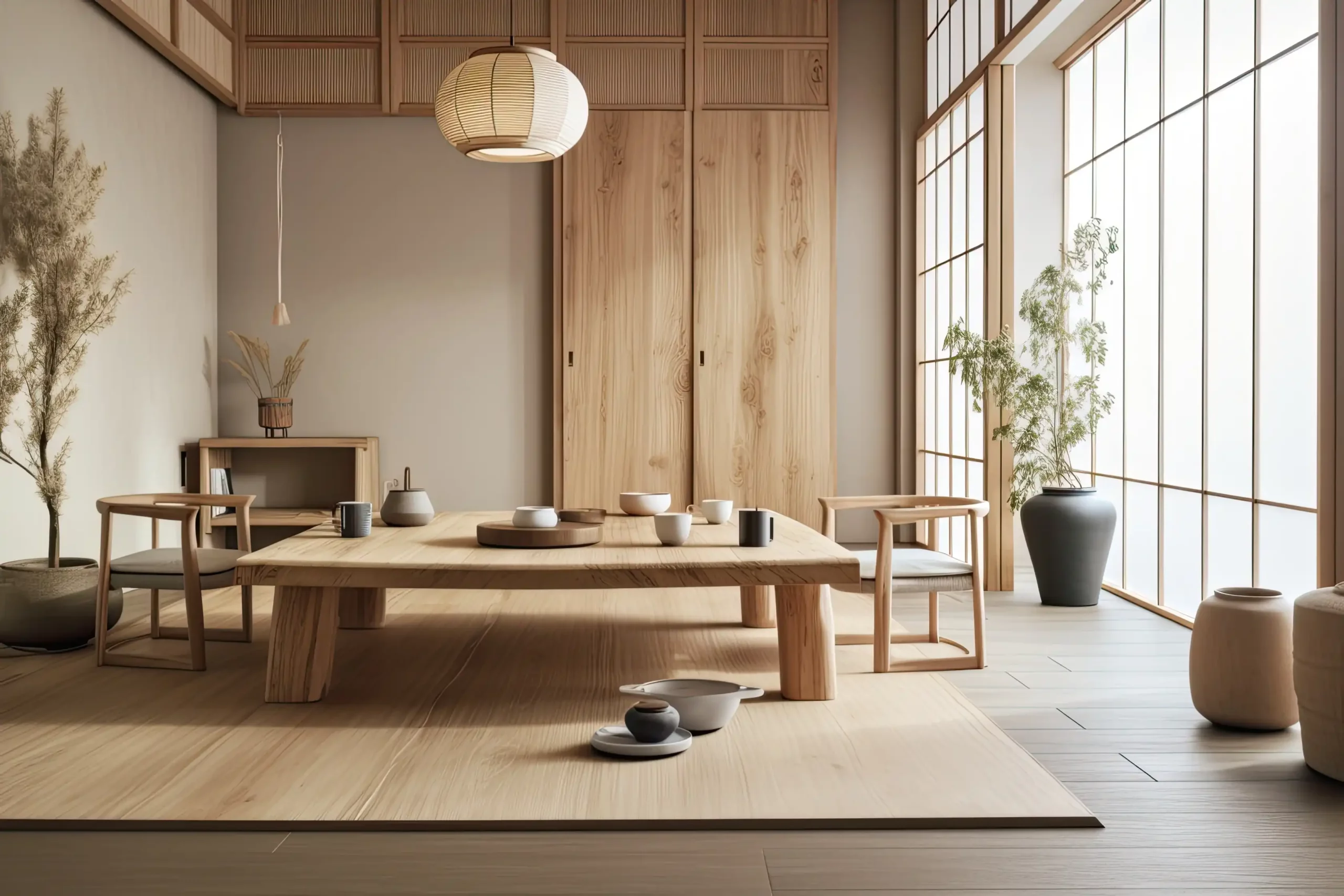
Besides picking stuff, space sense matters. The mix of light, feel, and empty spots sets up good wabi-sabi rooms.
Balancing Space, Light, and Texture
Wide-open areas are key. They let each thing stand alone. Yet, they add to the whole steadiness. Outdoor light makes flaws shine nicely. It points out rough lines or bumpy shines as poem-like parts, not errors. Mixing dull ends with rough feels makes even layers. Here, pulls feel planned but easy. It’s a lively play between dark and face that grows sight over time.
The Role of Minimalism in Enhancing Wabi-Sabi Design
Plain ways boost wabi-sabi’s feeling side. They focus on fewer but key items. These share stories through signs of use or making marks. Clearing out extra decor shows space’s clean side. Empty spots become part of the setup. They act as a quiet helper in shaping the air with real items. This hold-back builds awareness. It asks for thought in plainness’s soft strength.
How Can Sustainability Enhance the Wabi-Sabi Approach?
Green ways fit right with wabi-sabi thought. Both respect long life, smart use, and care for nature’s turns.
Eco-Friendly Material Choices and Practices
Fixing up comes before buying new. Reusing old furniture cuts trash. It also keeps the heart value in worn faces. Items from nearby cut harm to the earth. They help local money flows based on old skilled ways tied to green rules.
Skilled makers using tried methods show green through passing skills over years. This practice matches wabi-sabi goals. It stresses ongoing flow in the middle of shifts.
Why Choose Foshan Sincere Building Materials Co., Ltd.?
Choosing solid partners keeps design true when finding real furniture drawn from natural tastes.
Foshan Sincere Building Materials Co., Ltd., based in China, focuses on making top-notch furniture pulled from natural tastes. This includes wabi-sabi design rules. The company stresses skilled work, earth-aware stuff, and options you can change for today’s rooms. Their items show a match between rough charm and current use. This makes them a steady pick for makers wanting realness. Their push for quality fits right with green design thoughts valued in pro home building groups around the world.
Вывод
Setting up today’s homes with wabi-sabi furniture means taking flaws as built-in charm, not hiding them. It changes living spots into safe places rooted in realness and even calm.
By blending rough warmth with simple sharpness, use basic stuff like wood or linen against plain color sets. Homeowners make rooms that give off quiet class. These stay firm in aware living rules. It’s a lasting way that builds being there and value each day.
Часто задаваемые вопросы
What distinguishes wabi-sabi furniture from other rustic styles?
Wabi-sabi furniture puts focus on flaws as a taste rule, not hiding them. It values shine from age, uneven shapes, and basic plainness over fancy details.
Can wabi-sabi be integrated into small urban apartments?
Yes, its plain side fits tight spots well. It stresses wide plans, useful items, and calming plain colors. These make rooms look bigger.
How should one maintain wabi-sabi furniture?
Dust often with soft rags to keep natural ends. Skip strong cleaners that wipe away age shine. Take on use marks as part of the growing style over time.


